
Garage Door Service in San Fernando
Garage Door Repair for San Fernando's 1956-Era Houses
San Fernando's housing dates to 1956, older than most of the Santa Clarita service area. That means older spring hardware and openers. Here's what actually breaks and what a fix costs.
- Licensed & Insured
- Same-Area Service Calls
- Upfront Pricing
What Happens When You Call
-
1
Call or Request a Quote
Tell us what the door is doing and roughly how old the house is - that alone points us toward the likely part before a truck leaves.
-
2
On-Site Diagnosis
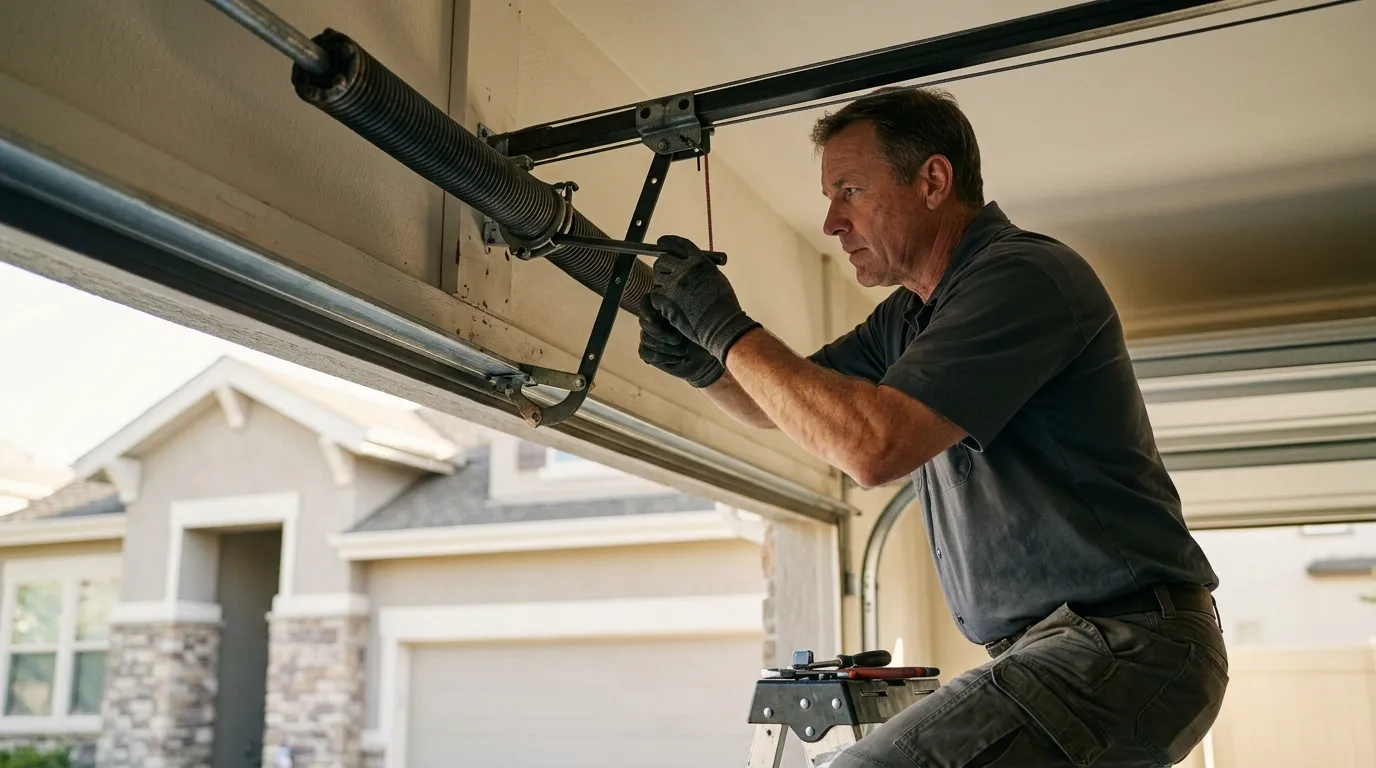
A tech checks the spring, cables, tracks, and opener in person and tells you plainly what is actually wrong.
-
3
Straight Price, No Surprises
You get a number before any work starts. It covers parts and labor, nothing added after the fact.
-
4
Fixed the Same Visit
Most repairs are done in one trip. If a part needs sourcing, we tell you that upfront instead of guessing.
How We Fix It
San Fernando's housing stock runs older than most of the neighborhoods we work in - the median build year here is 1956, a good two decades ahead of the 1975 median across the wider service area. That matters because a door installed in 1956 was almost never built with a torsion spring over the header.
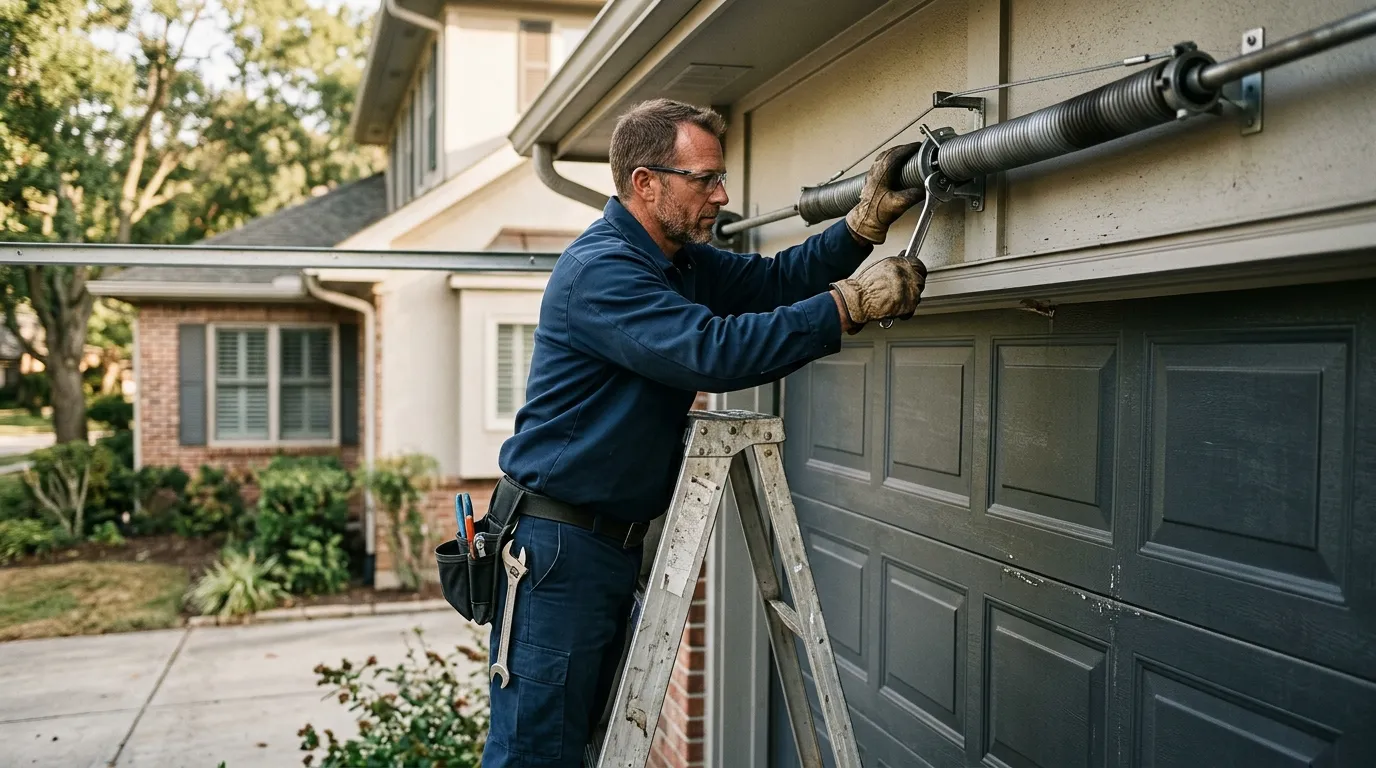
Most of these houses got extension springs mounted along the horizontal track, sometimes without the safety cables that later became standard. When one of those springs lets go, the door doesn't just stop working - it can drop fast, because there's nothing catching the cable.
Our fix on these jobs is usually a full spring-and-cable swap, not just a spring replacement, because the original hardware rarely meets current safety practice on its own. We also check the drum and shaft alignment, since 60-plus-year-old track brackets have often shifted or rusted at the mounting bolts.
If the opener is original or a first-generation retrofit, we replace it outright rather than patch it - pre-1993 openers don't have the reversing sensors that later units require, and there's no safe way to add them after the fact. We travel in from Santa Clarita, about 10 miles out, so we schedule San Fernando calls in a block rather than sending a truck out for one job at a time.
How It Shows Up
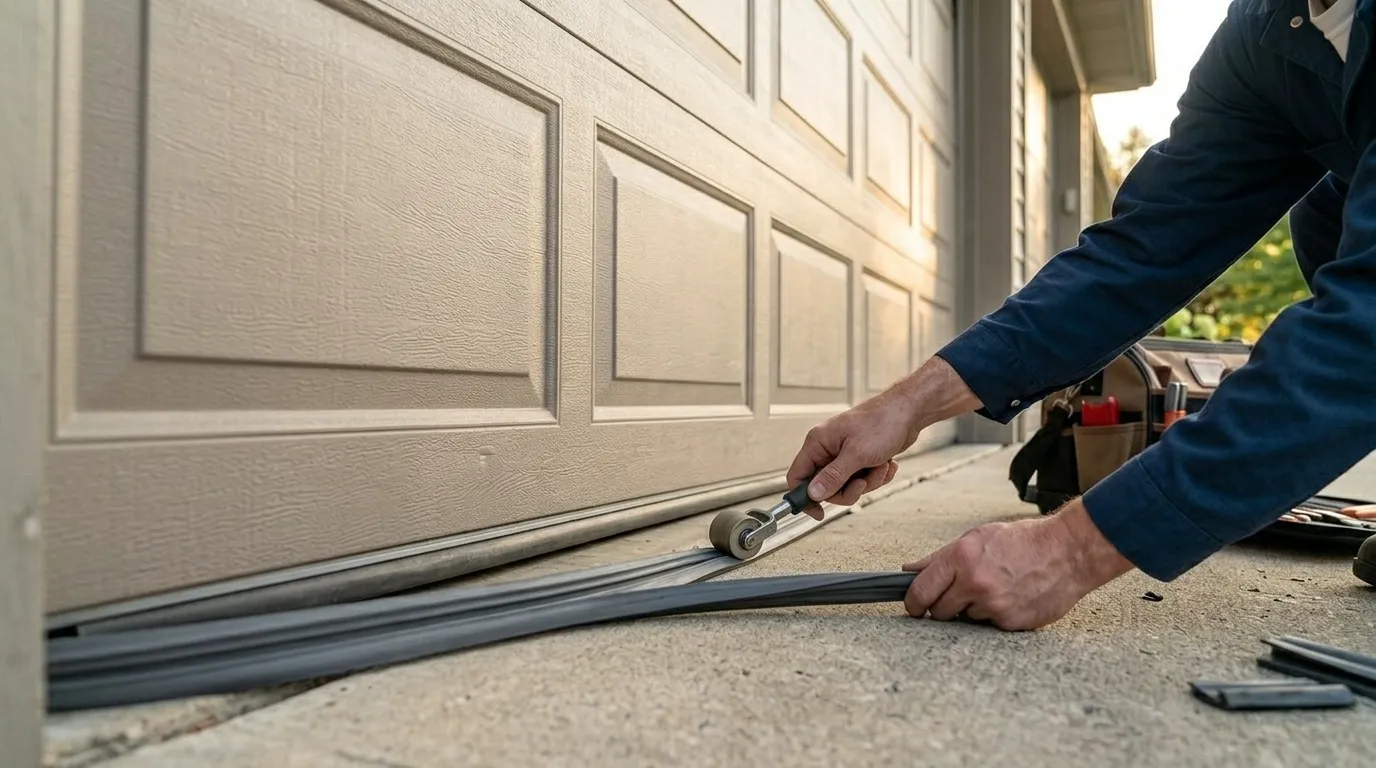
On a house built around 1956, the failure usually looks like this: the door slams down the last foot of travel instead of settling, or it takes real muscle to lift by hand once the opener is disengaged. That's a spring that's lost tension, not a track problem, even though owners often call it in as "the track is stuck."
The other common call is a door that reverses itself partway up, which on this era of hardware is almost always a bent track rail rather than an electronic safety feature - because the electronic feature usually isn't there to begin with. Rollers on original steel track wear a groove into the rail over decades, and once that groove is deep enough the door binds every time it passes through it.
With 6,238 households in San Fernando and a good share of them sitting on this original 1956-era hardware, we see the same handful of failures repeat: worn extension springs, ungrooved or corroded track, and openers with no modern safety reversal. It's a narrower set of problems than in the newer parts of the service area, which makes diagnosis over the phone fairly reliable before we even drive out.
Getting It Booked In
We run San Fernando calls out of Santa Clarita, roughly 10 miles up the road, so we ask a few questions up front to load the truck right the first time - mainly the door's approximate age and whether the springs are the coiled kind above the door or the stretched kind along the track. On 1956-era houses it's almost always the stretched extension type, so we bring cable and drums as a matter of course rather than assuming torsion parts.
Median household income in San Fernando runs $79,694, noticeably below the $119,775 figure for the wider service area, and that does shape the conversation - we quote the repair first and only bring up full replacement when the spring failure has already bent the track or cracked a panel, since a full door swap is a bigger spend than most owners here are looking to make on a first call.
See the Santa Clarita garage door service page for how we handle scheduling across the rest of the area, and the San Fernando page for what else we cover nearby.
Why This Fails Locally
A door that would be a routine spring swap in a house built in the 1990s is a different job on a 1956 house, because the hardware generation is different, not just the door's age. Extension springs stretch and fatigue at a different rate than torsion springs, and they fail more abruptly - there's less warning creak before the snap. That's the fault we're actually driving out to fix, not a generic "garage door problem."
It also means parts availability matters more here. Original track brackets from 1956 construction aren't a stock item anymore; when one is bent past straightening, we replace the whole section rather than hunting for a matching original. That's a real limitation - we can't always match old hardware exactly, and sometimes the honest answer is that a partial fix won't hold and the better move is replacing the full track run, even if that costs more up front than the owner expected.
Doing It Yourself
If your door is dropping fast or slamming shut, do not try to adjust or remove the springs yourself. Extension springs from this era were never built with the same safety margins as current hardware, and a spring under tension can put someone in the hospital.
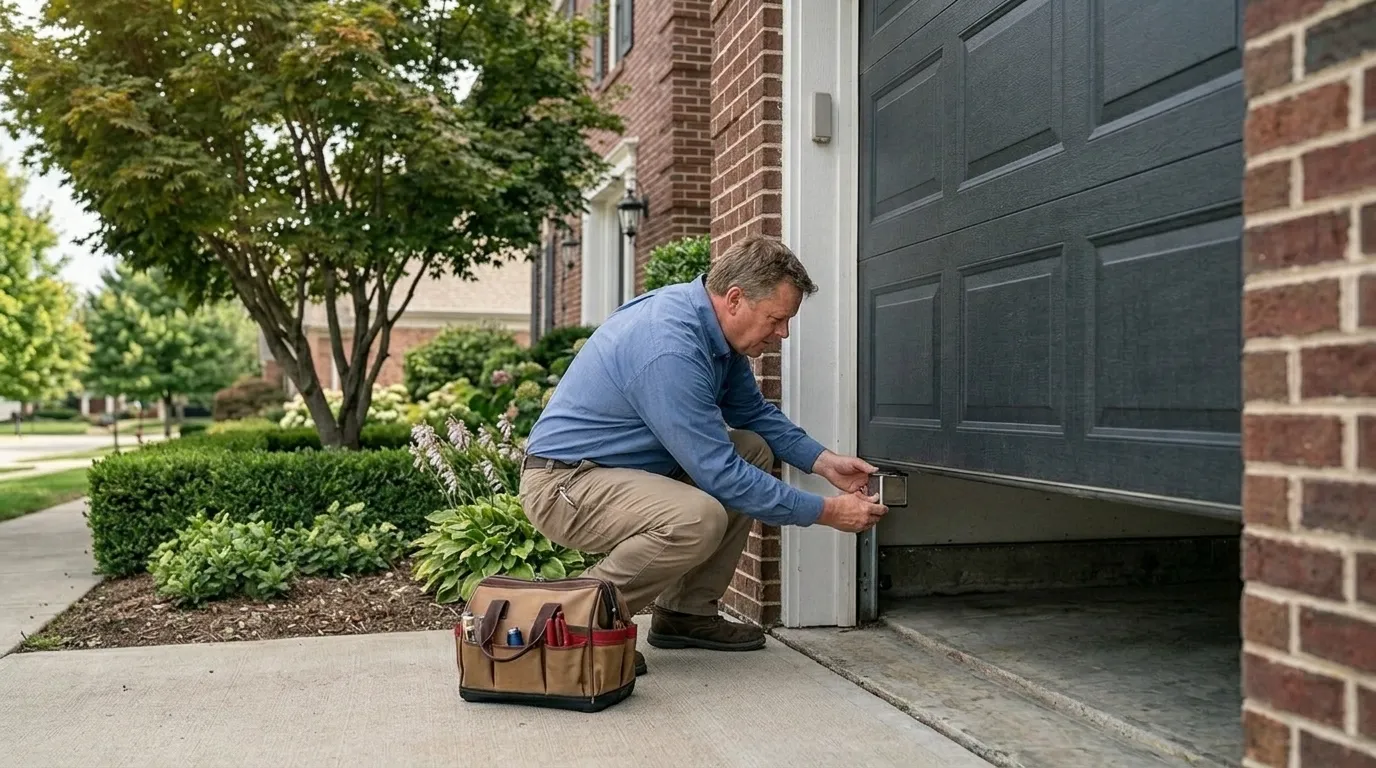
What you can safely check: whether the rollers are visibly worn into a groove on the track, whether the bottom brackets are rusted through, and whether the opener has a working manual release cord. None of those checks require touching the spring system, and any of them will help us bring the right parts on the first trip.
If the door is an original 1956 single-panel wood or early steel door and the springs have already gone, replacement is often the more honest answer than repair - the panel material itself may be past the point where new hardware holds it square.
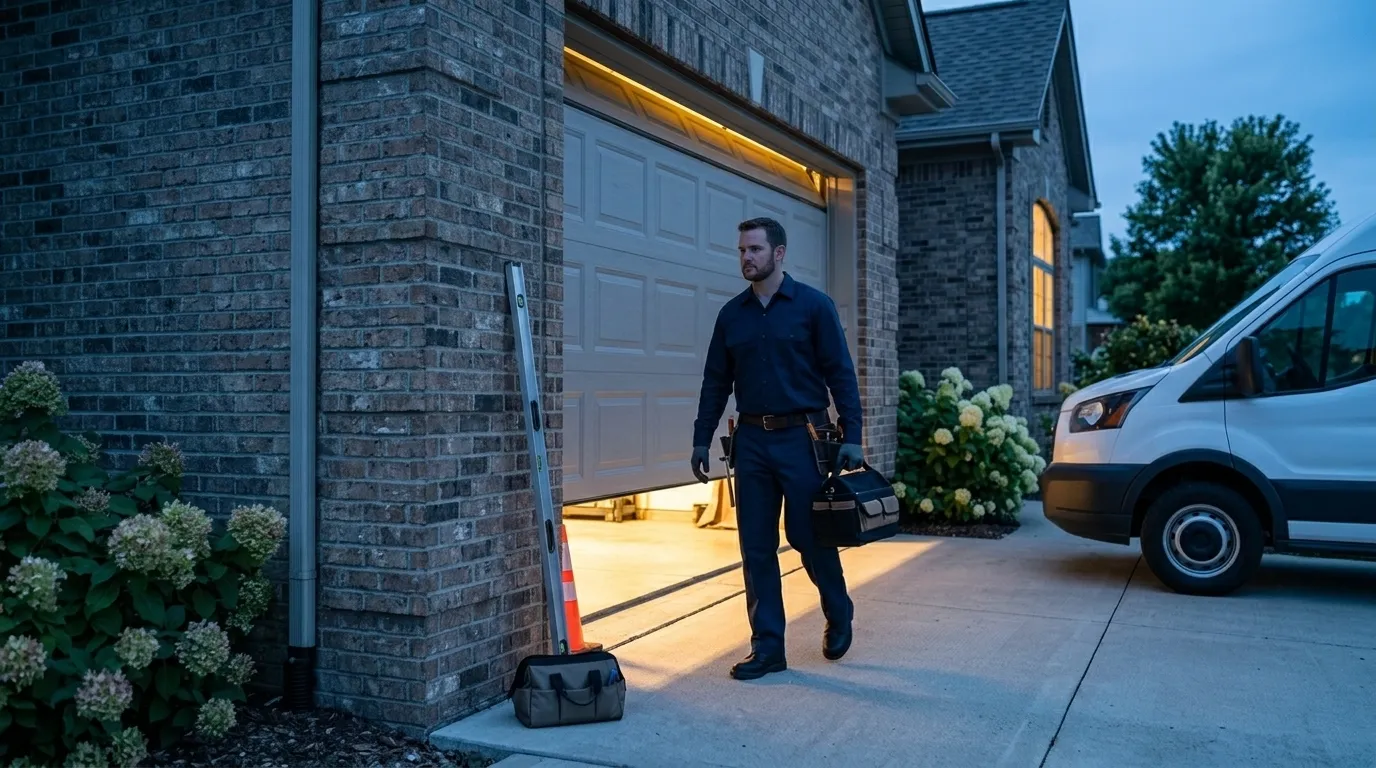
Talk to a San Fernando Technician First
Describe what the door is doing and get a straight answer on what it likely needs.
Other Garage Door Services in San Fernando
Recent Work in San Fernando
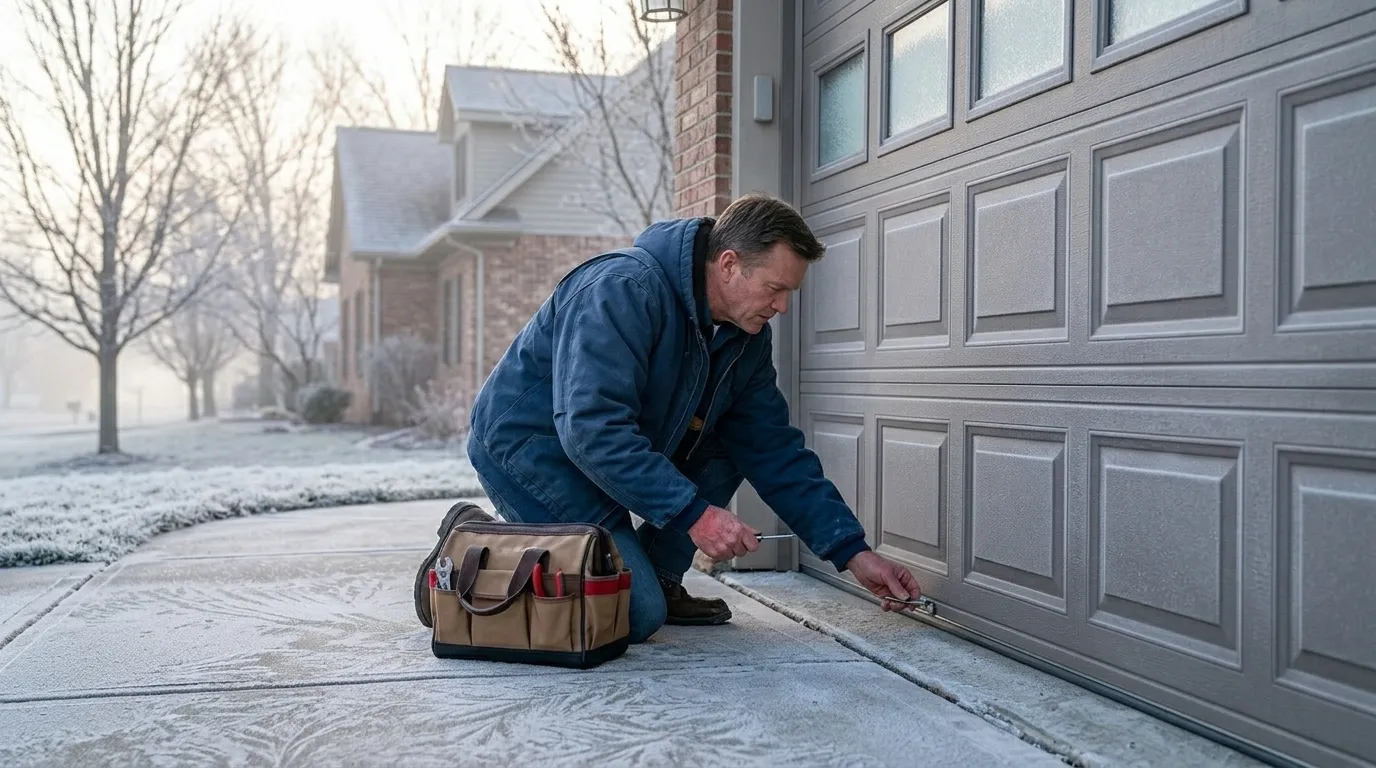
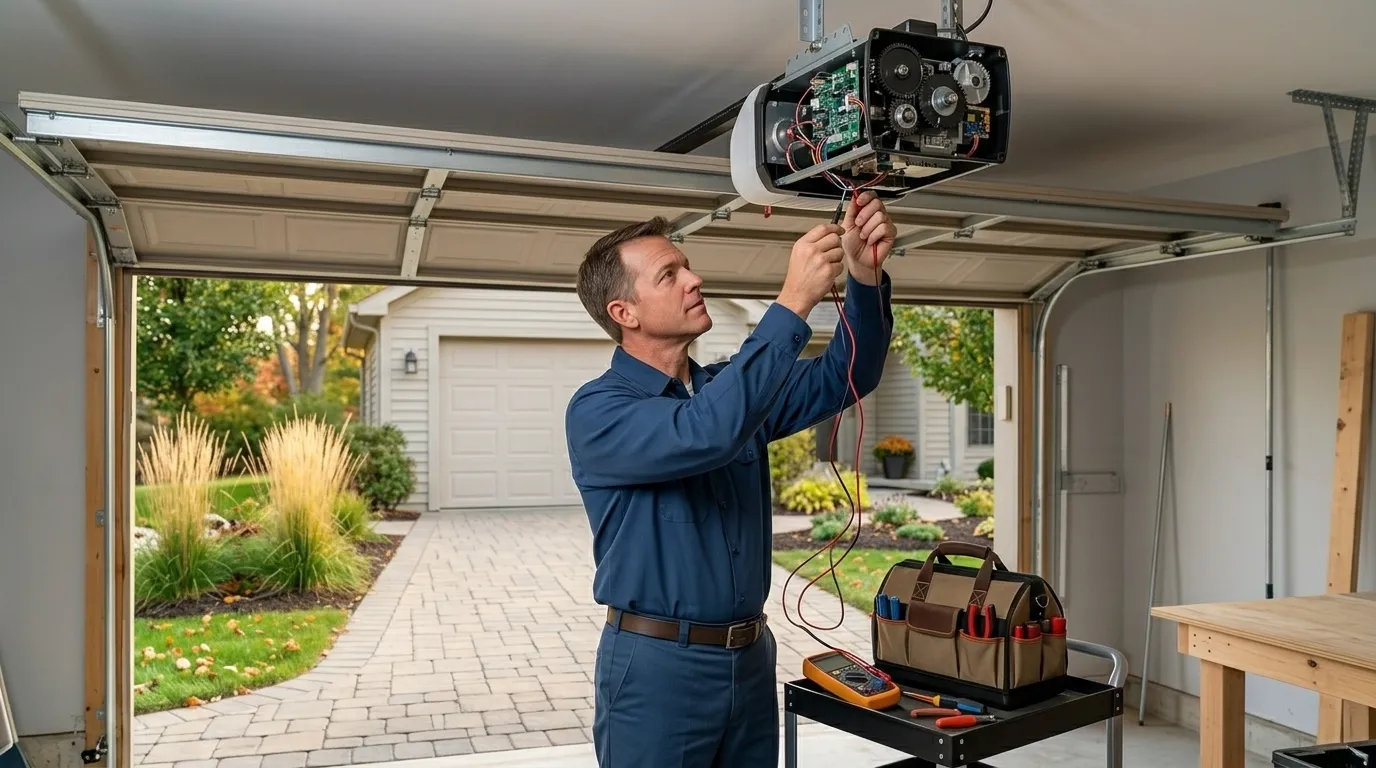
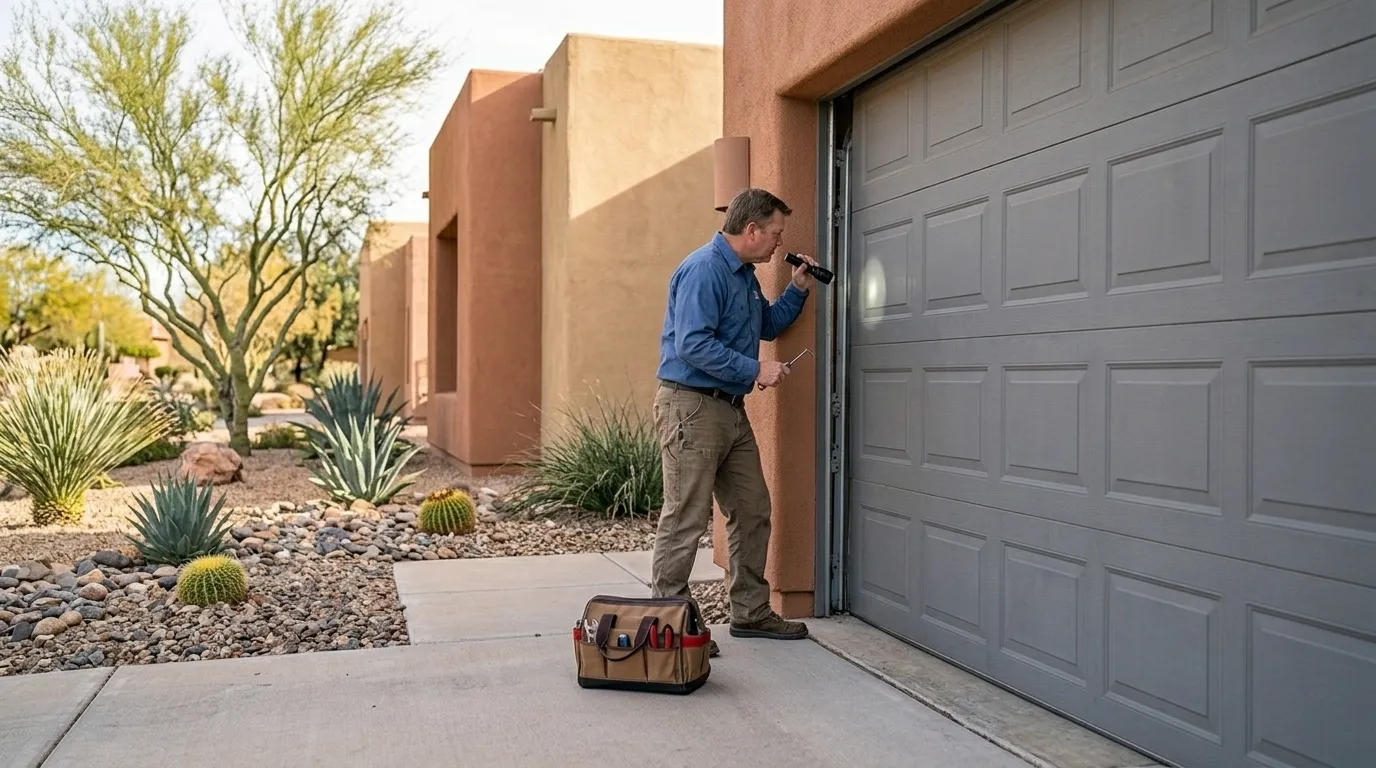
A look at jobs our crew has been on nearby.
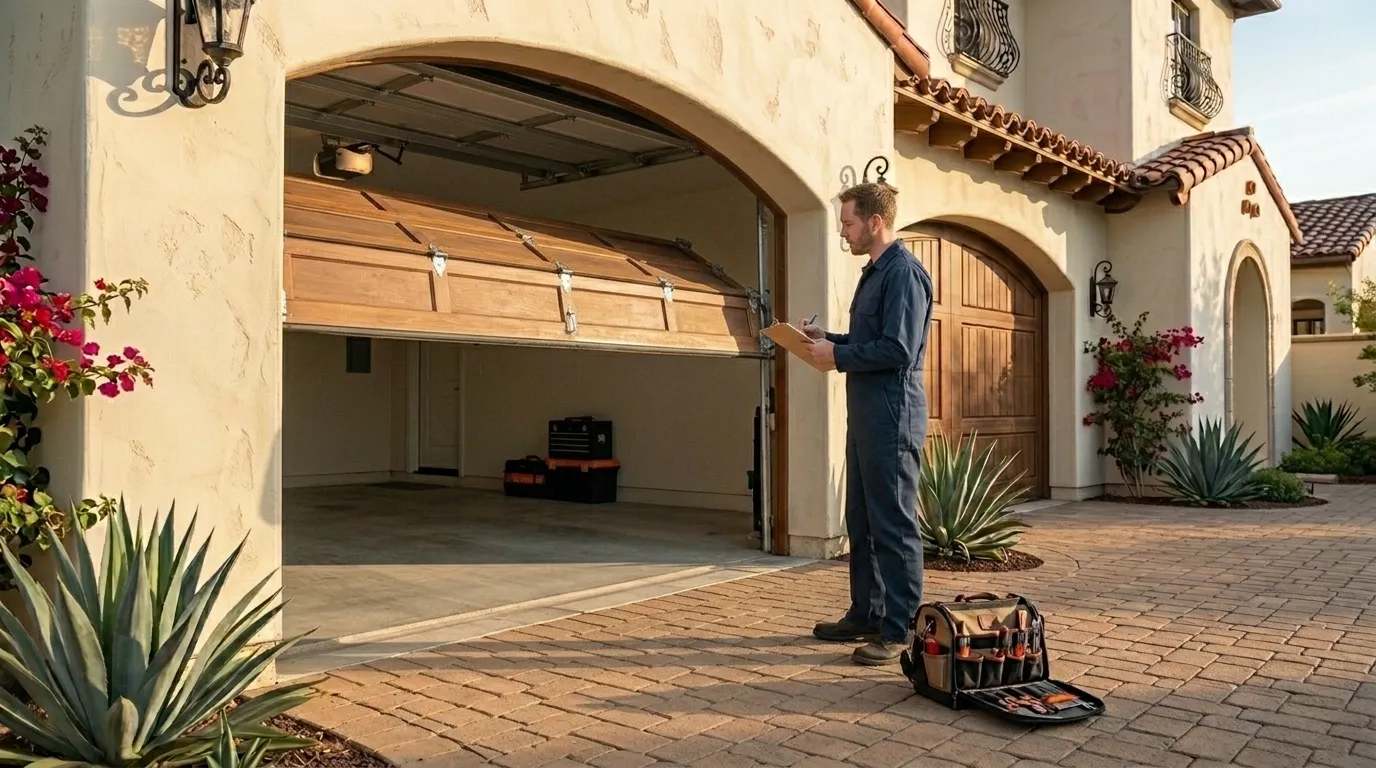
Why San Fernando Calls Us
Frequently Asked Questions
Are San Fernando garage doors different from newer parts of the service area?
Yes. San Fernando's housing dates to a median of 1956, well ahead of the 1975 median across the rest of the service area, so most doors here still run on extension springs and older track rather than the torsion setups common in newer construction.
Do you have a branch in San Fernando?
No. We're based in Santa Clarita and drive out to San Fernando, about 10 miles, so we schedule calls there rather than dispatching same-hour.
Why does my door slam instead of closing slowly?
On a house this age, that's almost always a worn or broken extension spring losing its tension, not a track or opener fault. It needs the spring and usually the safety cable replaced together.
Need Garage Door Service in San Fernando?
Call now for straight answers on cost and timing.