
Roller Replacement in San Fernando
Roller Replacement for San Fernando Garage Doors
San Fernando's housing dates mostly to the 1950s and 60s, older than the area average. Steel rollers on those original tracks wear differently. Santa Clarita Garage Door Co. handles the job.
- Licensed & Insured
- Same-Area Service Calls
- Upfront Pricing
What Happens When You Call
-
1
Call or Request a Quote
Tell us what the door is doing and roughly how old the house is - that alone points us toward the likely part before a truck leaves.
-
2
On-Site Diagnosis
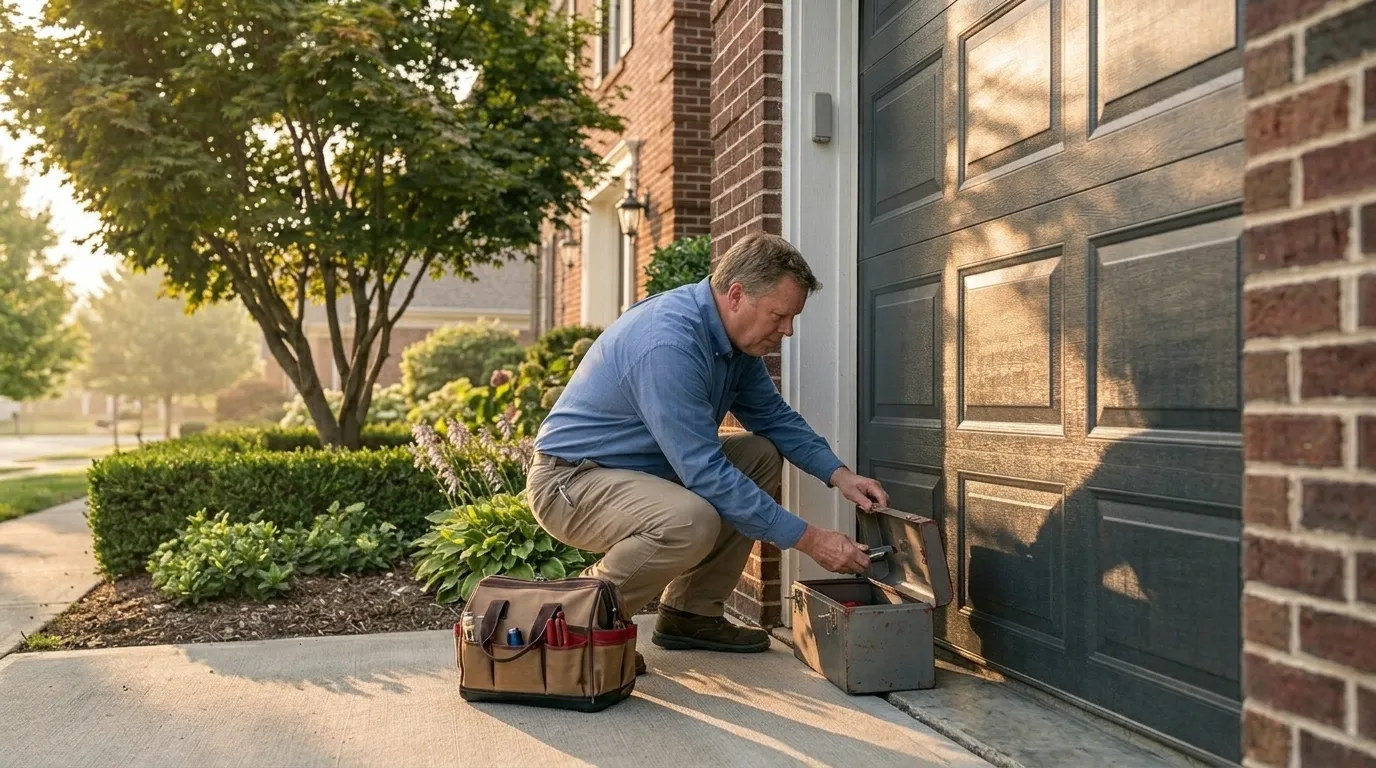
A tech checks the spring, cables, tracks, and opener in person and tells you plainly what is actually wrong.
-
3
Straight Price, No Surprises
You get a number before any work starts. It covers parts and labor, nothing added after the fact.
-
4
Fixed the Same Visit
Most repairs are done in one trip. If a part needs sourcing, we tell you that upfront instead of guessing.
How We Fix It
San Fernando has about 6,238 households, a small slice of the roughly 33,875 across the whole area we cover from Santa Clarita. That size matters for roller work specifically: it's not a town with enough new construction to dilute the older housing stock, so the jobs we get called out for tend to repeat the same pattern rather than spread across a dozen different door ages.
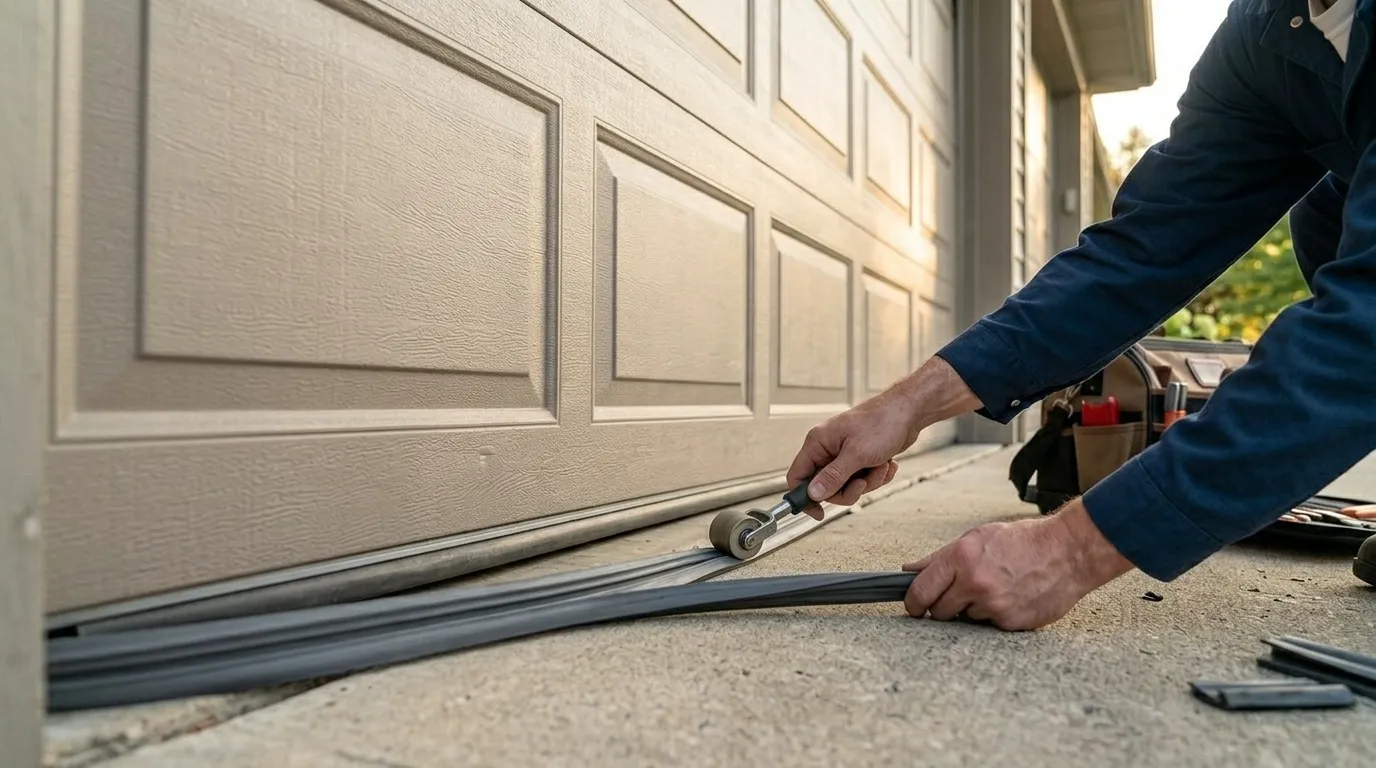
We pull the door off its track, check the drums and cables while everything is loose, and swap the rollers as a set rather than one at a time - mixing a worn roller with a new one on the same track just moves the noise instead of fixing it. If the track itself is bent or the rollers have chewed a groove into the rail, we true up or replace that section too, since a new roller in a damaged track wears out again fast. We use nylon rollers with sealed bearings on most jobs; steel rollers still show up on original hardware and we'll swap those out too if that's what's on the door.
We don't stock every roller size on the truck for every visit - some stems and shaft diameters on older doors need a special order, and we'll tell you that up front rather than force a fit.
How It Shows Up
San Fernando's housing runs older than the area average - the median year built here is 1956, well ahead of the wider service area's 1956-1999 range with a median around 1975. That earlier build date means more doors still running on original steel rollers and narrower track profiles that were standard through the late 1950s and 60s.
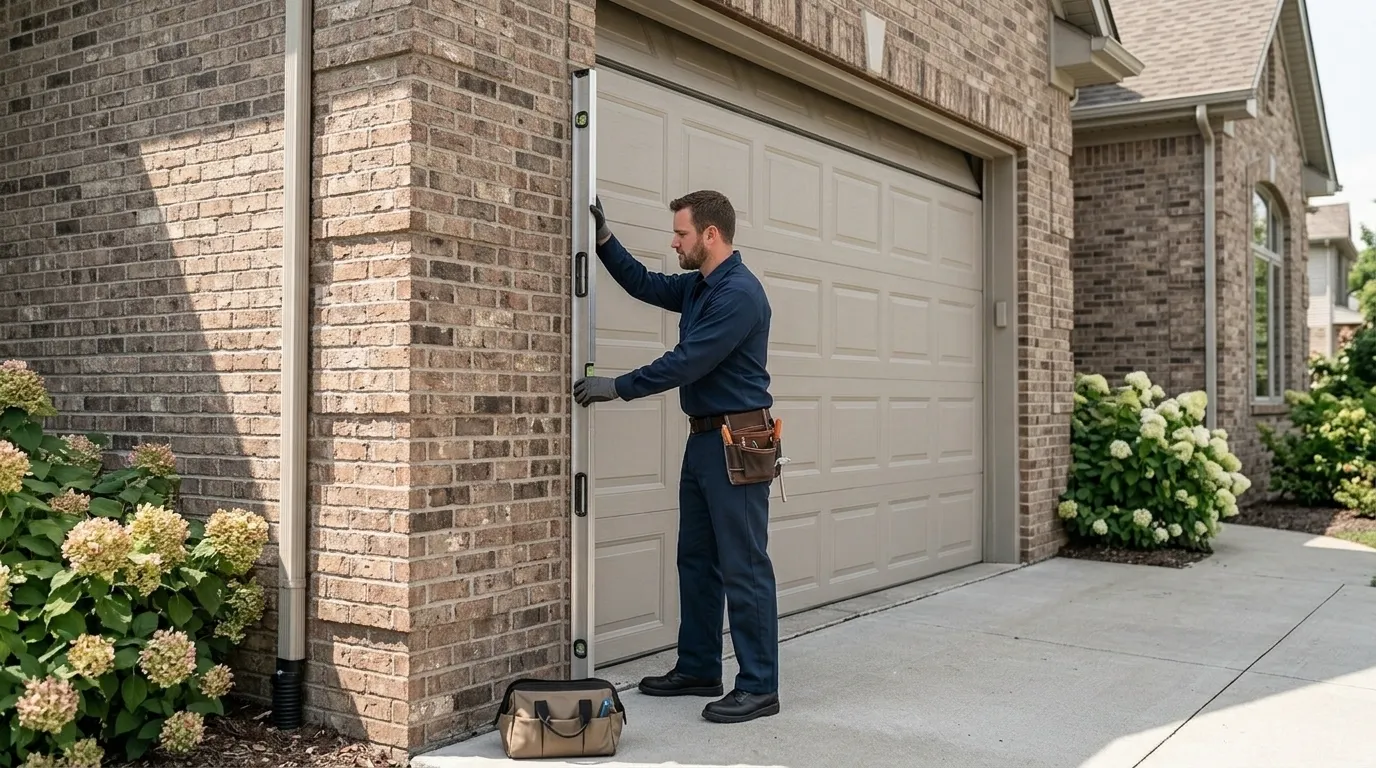
The symptom is usually a grinding or clacking sound as the door travels, worse at the top of the track where the roller takes the curve into horizontal. Steel rollers on old track don't fail quietly - they chew into the rail slowly, so by the time you hear it, the track has usually taken some damage too. On doors this age we also see rollers that have simply worn round on one side, which throws the door slightly off-square as it closes.
Heat plays a smaller role here than in some climates - this area sits in a moderate heat band - so we're not chasing the kind of rubber-roller degradation you'd see somewhere with harsher summers. The wear here is closer to straightforward metal fatigue on hardware that's been running for six decades.
Getting It Booked In
We run this job from Santa Clarita, about 10 miles out to San Fernando. There's no local branch or drop-in counter here - we schedule the visit, drive out with the parts we've discussed on the phone, and do the work in one trip when we can. If the roller size turns out to be something less common once we're on site, we'll say so rather than force a part that doesn't fit.
Because the trip isn't a five-minute local hop, it helps to know roughly what's wrong before the truck leaves - a rough description of the noise and when it happens (opening, closing, or both) lets us bring the right roller stock and skip a second visit. We don't advertise a fixed response window for San Fernando specifically, since that depends on the day's route out from Santa Clarita, not on anything particular to this town.
If you're not sure whether it's the rollers or something else - a spring, the opener, the track alignment - say what you're hearing and we'll narrow it down over the phone before we commit to a callout.
Why This Fails Locally
Median household income in San Fernando is $79,694, noticeably below the $119,775 median across the wider area we serve. That gap shows up in how repairs get handled here: more owners want the roller swap done without also being sold a full door replacement, and more doors get run well past the point where a newer-stock home would already have had the hardware upgraded.
The result is a specific failure pattern - rollers that have been making noise for a long time before anyone calls, which means the track has usually taken more wear than it would on a door caught earlier. We see more track sections needing correction alongside the roller swap here than we do on newer housing elsewhere in the service area, simply because the rollers ran longer before anyone acted on the noise.
We'll always tell you if the track damage is bad enough that a roller swap alone won't quiet the door - sometimes the honest fix is a track section, not just new rollers, and pretending otherwise just means you call again in six months.
Doing It Yourself
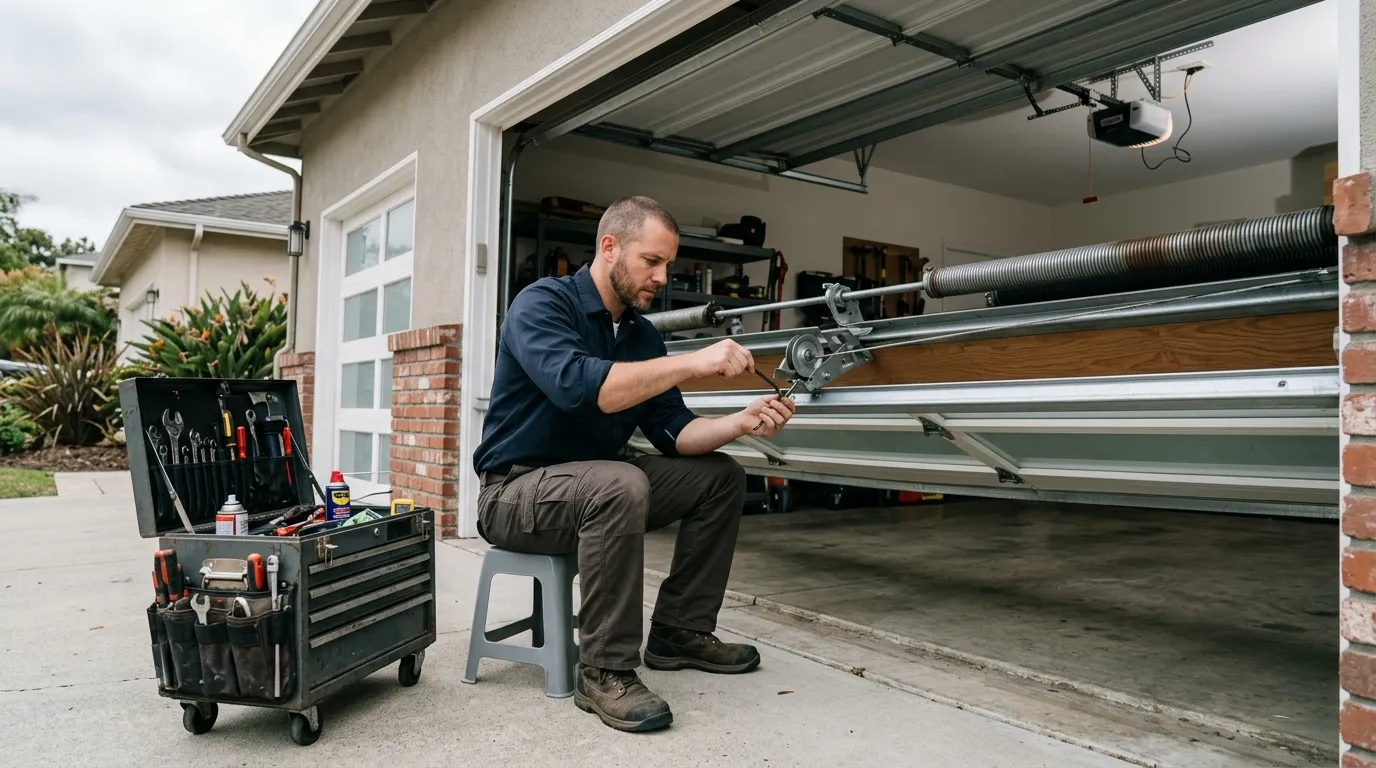
Swapping a garage door roller is within reach for a careful homeowner, but the door has to come off tension safely first, and on doors from this era - original steel rollers, narrower rail - the removal method differs from what you'll find in most general how-to guides written for newer stock.
If you're going to try it yourself: release the door from the opener, secure it in the open position with clamps so it can't drop on the track, and replace rollers one at a time, not all at once, so the door stays supported on the rail. Check each roller stem for wear against the new one before you install it - if the stem is bent, the roller will bind again in a month no matter how good the new roller is.
Where we'd tell you to stop and call: if the bottom bracket or the cables near it are involved, or if the track shows a visible bend rather than just roller wear. Torsion springs stay loaded even with the door open, and a bent track under load can move fast. That's not a rule for one town over another - it's just where the margin for error runs out.
Talk to a San Fernando Technician First
Describe what the door is doing and get a straight answer on what it likely needs.
Other Garage Door Services in San Fernando
Recent Work in San Fernando
A look at jobs our crew has been on nearby.
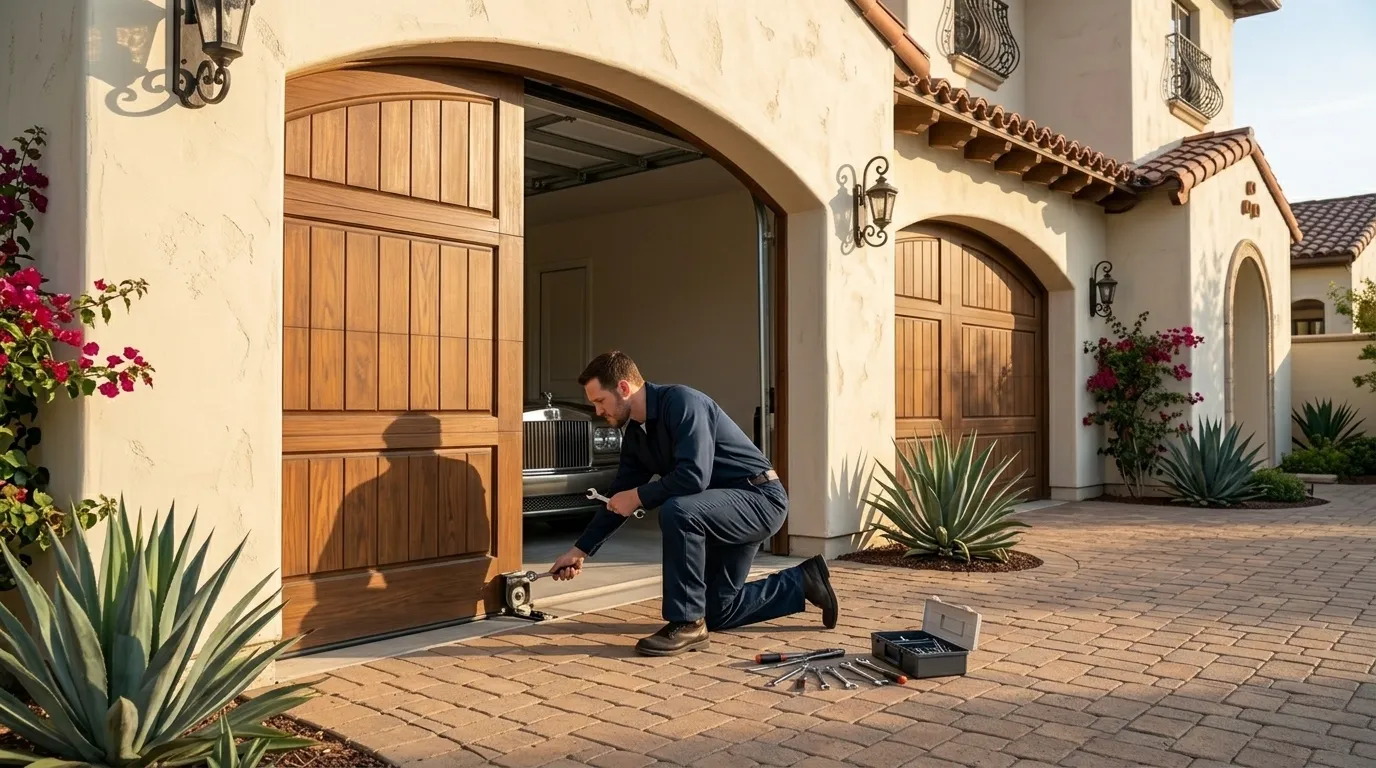
Why San Fernando Calls Us
Frequently Asked Questions
Why do garage doors in San Fernando seem to need rollers replaced sooner than in newer areas?
The housing here dates mostly to 1956 and earlier, ahead of the wider area's 1956-1999 range. That means more original steel rollers and narrower track still in service, and steel-on-steel wear shows up as noise and track damage sooner than it does with newer nylon-roller hardware.
Do you have a branch in San Fernando?
No. We run this job from Santa Clarita, about 10 miles away, and schedule the visit rather than keep a local counter. We bring roller stock based on what you describe on the phone, so a clear description of the noise helps us come prepared.
Can I replace just the noisy rollers instead of the whole set?
You can, but we generally recommend replacing rollers on one door as a set. A mismatched set - one new roller next to three worn ones - just moves the noise and uneven wear to whichever rollers are left, and you're likely calling again within a year.
How do I know if it's the rollers or the track that's actually bad?
Grinding or clacking that gets worse at the top curve of the track is usually roller wear. A visible bend in the rail, or the door binding at one spot every time, points to track damage. On doors from the 1950s and 60s we often find both together, since worn rollers eventually chew into old track.
Need Roller Replacement in San Fernando?
Call now for straight answers on cost and timing.