
Santa Clarita Garage Door Guide
Why So Many Santa Clarita Garage Doors Predate Modern Insulation Codes
Most Santa Clarita garage doors date to the 1960s-70s boom, before insulation codes existed. Here's what that means for cost, timing, and when to fix versus replace.
- Licensed & Insured
- Same-Area Service Calls
- Upfront Pricing
What Local Conditions Do
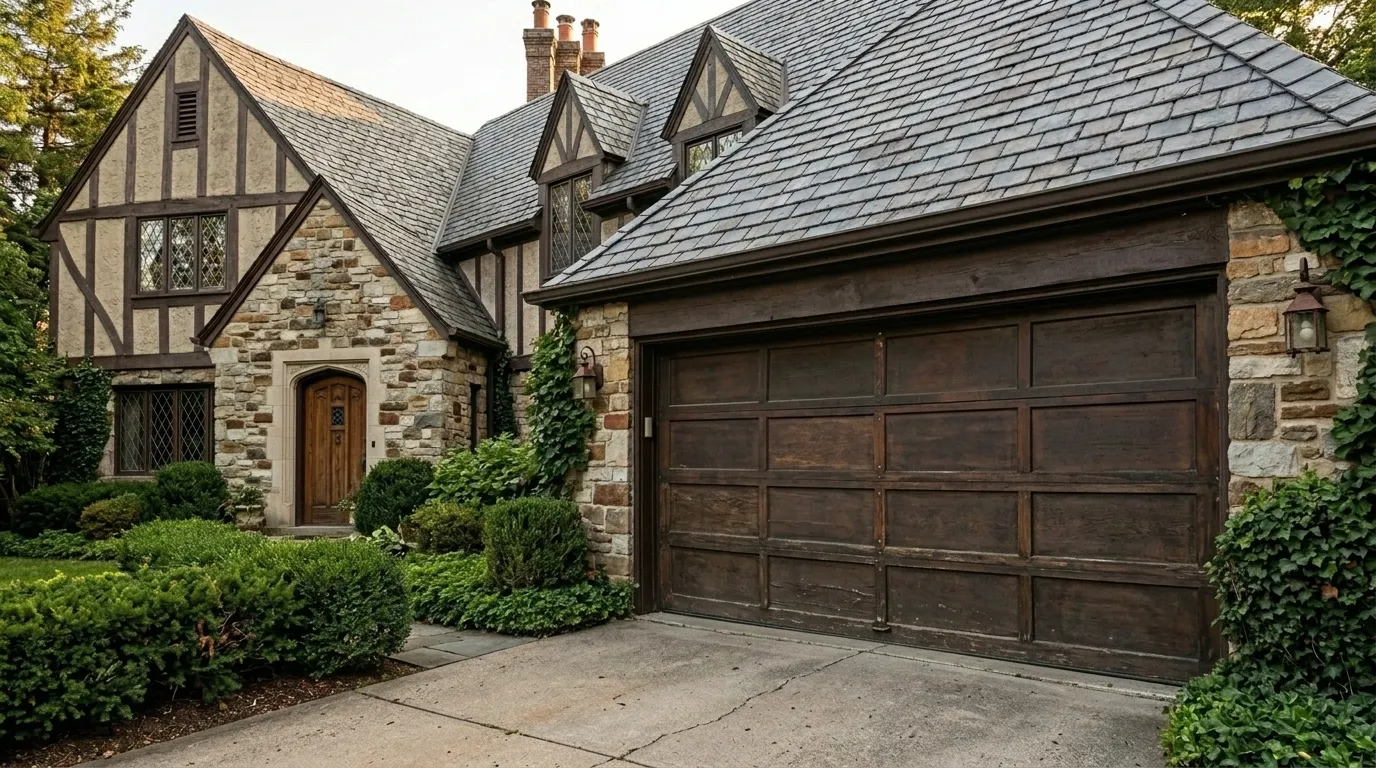
Santa Clarita's housing stock runs 1956 to 1999, with a median build year of 1975, spread across the 13 named areas that make up this service territory. That median year matters because it sits well before California tightened insulation requirements for garage doors. A door installed in 1975 is almost certainly a single-layer steel skin with no polystyrene core, no thermal break at the track, and weatherstripping that was never designed to do much work.
The climate band here is moderate heat, not extreme cold, which changes the math on insulation. In a mountain town with hard winters, an uninsulated door is a real problem every season. Here, the bigger issue is usually heat load on an attached garage in summer, and a thin steel door absorbs and radiates that heat straight into the space next to it - a laundry room, a workshop, sometimes a bedroom wall.
The door itself isn't failing structurally. It's just doing the job it was built to do in 1975, which was never insulation.
When we look at a door on a house from that era, we're not diagnosing a defect. We're looking at original equipment that's 45-plus years past its design assumptions.
The Cost of This Job
We don't have a price list to hand you here, so I won't invent one. What I can tell you is what drives the cost on a house like the ones common across this area's 1960s-70s stock.
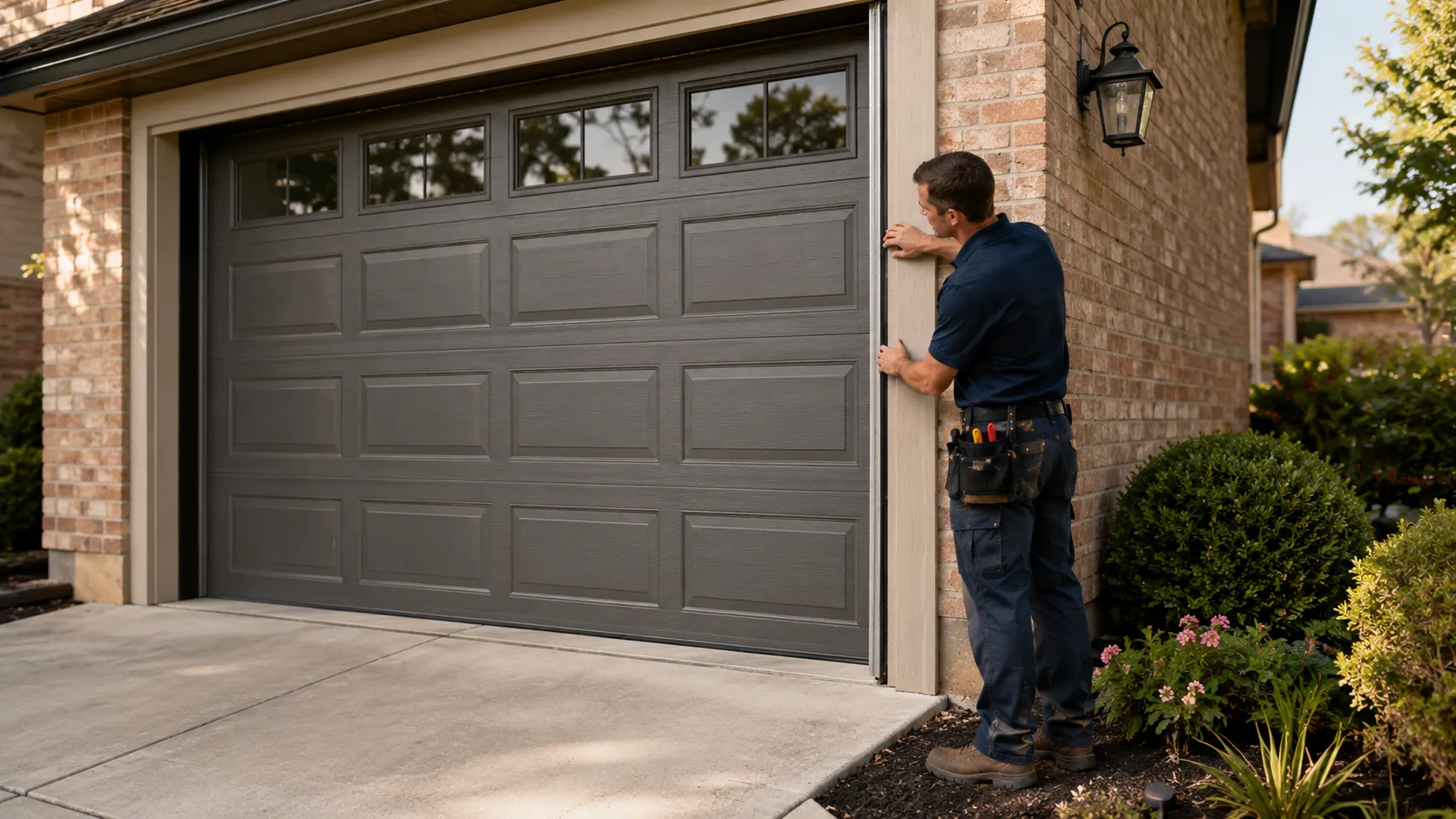
If the door itself is original steel with no insulation, you're choosing between a re-skin (new panels on existing track and hardware) and a full replacement with an insulated door. Re-skinning only makes sense if the track, rollers, and spring are still sound - on a door this old, they often aren't, because torsion springs have a duty-cycle life and most from the 1970s have already been swapped once or are due. Full replacement resets all of that at once, which is why it often costs less in total labor than doing the door in pieces over three separate calls.
Median household income across this service area sits at $119,775, which is enough that full replacement is usually the financially sensible call rather than a stopgap. That's a statement about what most owners here can reasonably choose, not a quote - we'll give you an actual number for your door, your opener, and your spring size once we've seen it.
When Waiting Is Fine
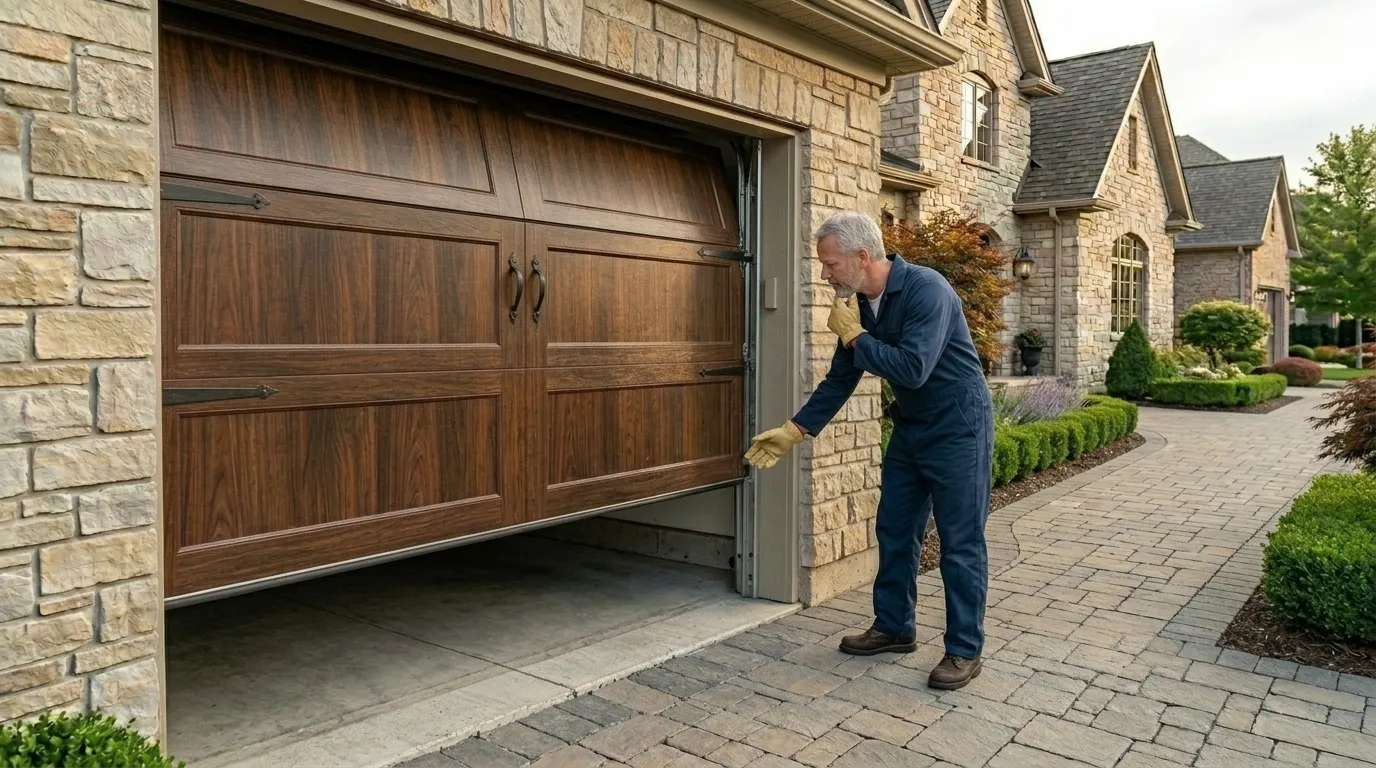
Because the climate band here is moderate heat rather than harsh winter, an uninsulated original door isn't an emergency the way it would be somewhere with real cold. If the door still opens smoothly, seals reasonably at the bottom, and the spring is holding tension evenly, you can live with the heat loss for a good while longer. It costs you something on the utility bill in July and August, but it isn't going to strand you or damage anything overnight.
Waiting is also fine if you're planning a bigger garage remodel - insulating the door on its own, ahead of new drywall or a finished ceiling, sometimes means doing thermal work twice. If that's on your five-year list, it's reasonable to hold off on the door until the rest of the plan is set.
Where waiting stops being fine: if the spring is original, if the cables show fraying, or if the door is dragging on the track. None of that is about insulation, and none of it improves by waiting. That's a call we'd tell you to make now, on any house of this vintage.
The Problem
Most of the doors we replace here went up during the 1960s and 70s building boom that produced the housing stock across this area's 13 named neighborhoods. That door is original steel, uninsulated, on hardware sized for a light panel - not the heavier insulated doors homeowners often want to switch to now.
That mismatch is the real problem, more than the insulation itself. Swap a light single-layer door for a heavier double-layer insulated one without resizing the torsion spring, and you get a door that's hard to lift by hand, an opener that strains on every cycle, and a gear set that wears out early. We size the spring to the door every time we do a full swap, which is part of why a proper replacement on a house like this takes more than just bolting on new panels.
One limitation worth saying plainly: we can't always match trim or color on a partial re-skin if the original door style has been discontinued, which is common on doors this old. Sometimes the honest answer is that a full replacement is the only way to get a clean result, not because the old door failed, but because nobody makes its exact panel profile anymore.
How We Can Help
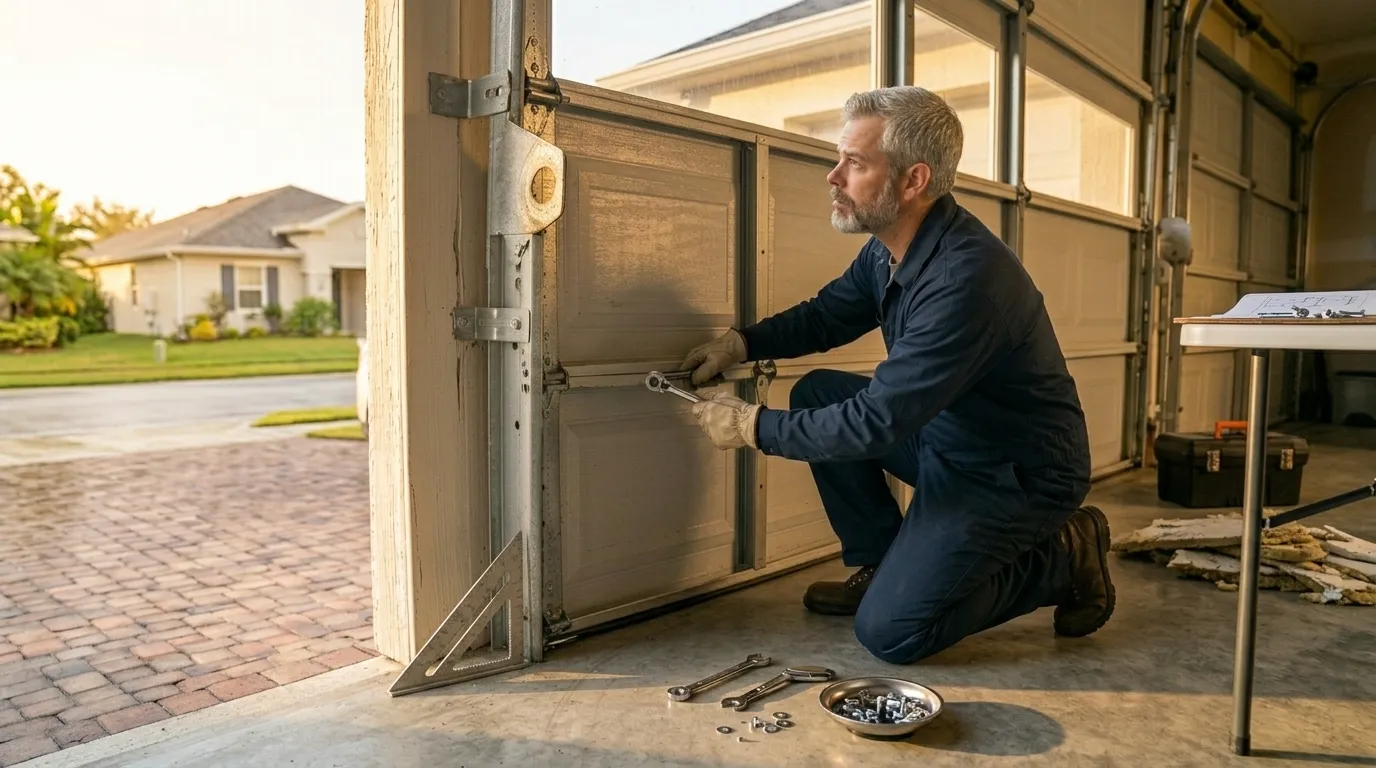
Garage Door Repair
Springs, cables, tracks, rollers, and openers fixed by a tech who explains the problem before touching anything.
Learn more →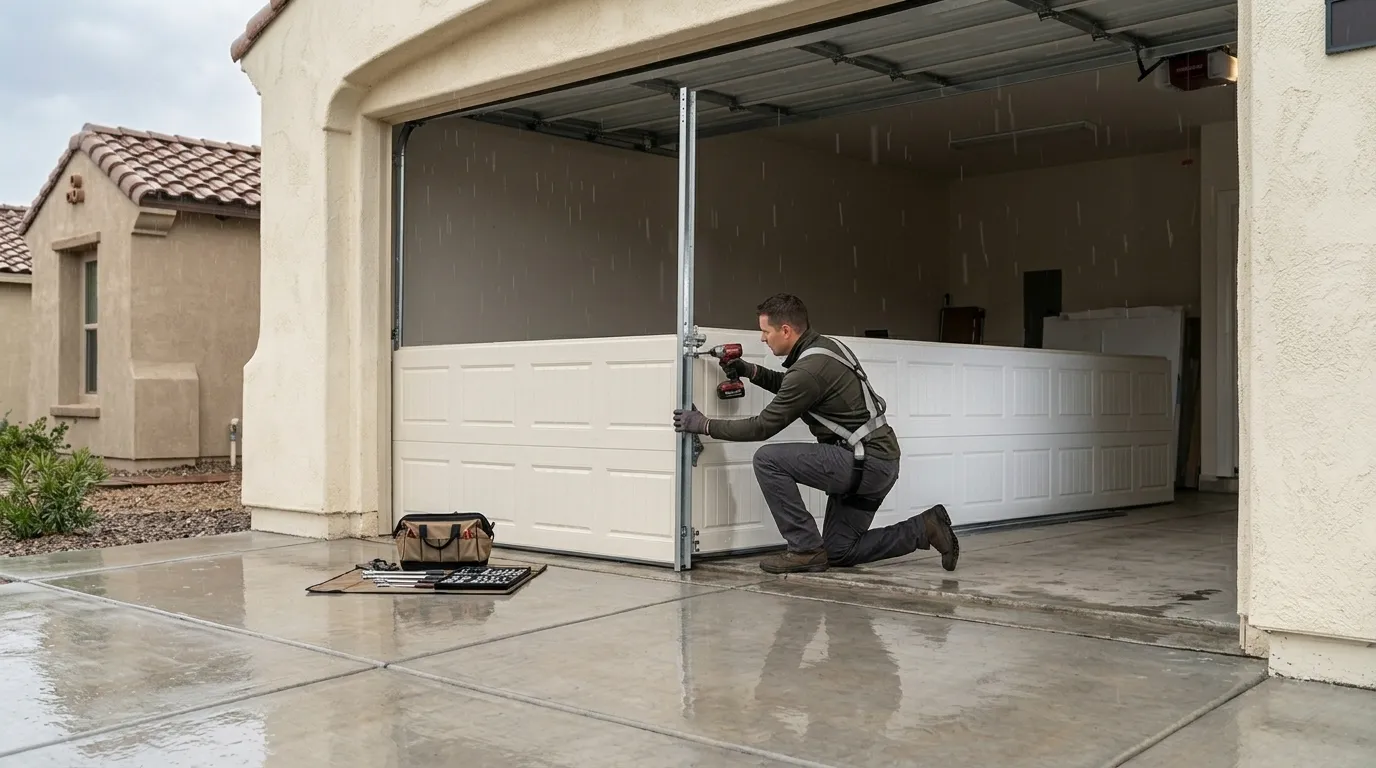
Garage Door Installation
New sectional doors sized and installed for the housing stock actually built in this area.
Learn more →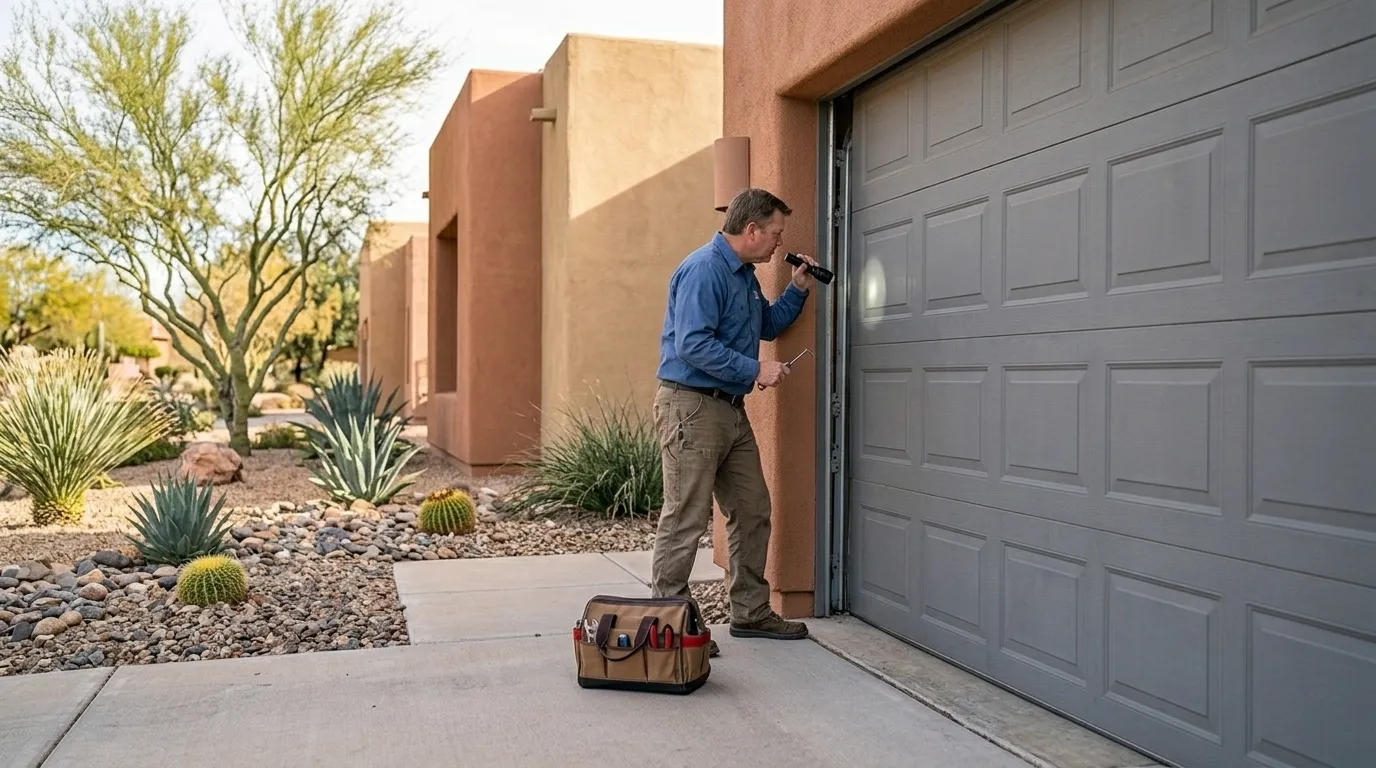
Garage Door Service
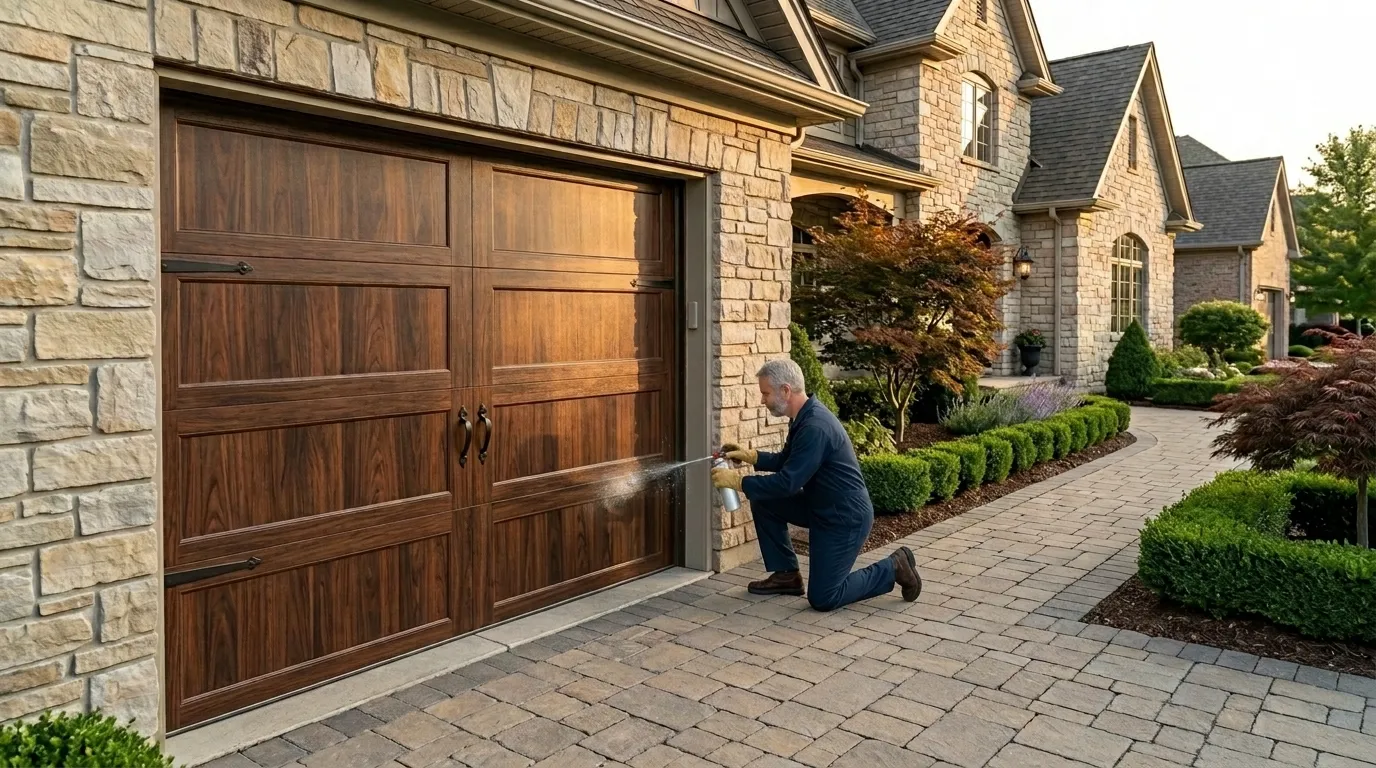
Tune-ups, lubrication, and safety checks that catch a small problem before it becomes a service call.
Learn more →Frequently Asked Questions
Is my garage door too old to repair?
Age alone isn't the deciding factor - a well-maintained door from the 1970s can still run fine. What matters is the spring's condition, whether the track is straight, and whether replacement parts for that specific panel style still exist. We'll tell you honestly if repair makes sense or if you're better off replacing.
Do I need an insulated door in Santa Clarita?
It's not required by climate the way it would be in a colder region - this area sits in a moderate heat band. Insulation mainly helps if your garage backs onto living space or you use it as a workshop. It's a comfort and energy upgrade here, not a must-fix.
Why does my original door feel so heavy?
On houses from the 1960s-70s stock common here, torsion springs age out well before most owners notice, since spring steel loses tension gradually rather than snapping right away. A heavy-feeling door is usually a spring near the end of its life, not a design flaw.
Should I re-skin or fully replace an old door?
Re-skinning works if the track, rollers, and spring are still sound. On a door from the original 1960s-70s stock, those parts are often already at or past their service life, so full replacement frequently ends up being the more sensible call once you account for labor done in stages.
Have a Door That Needs a Second Opinion?
Call and describe what it is doing - we will tell you what it likely is.