
Santa Clarita Garage Door Guide
Openers, Power Cuts, and the Age of Your Garage
Santa Clarita's 1960s-70s opener stock and moderate heat load create specific failure patterns during outages. Here's what actually goes wrong and what can wait.
- Licensed & Insured
- Same-Area Service Calls
- Upfront Pricing
What Local Conditions Do
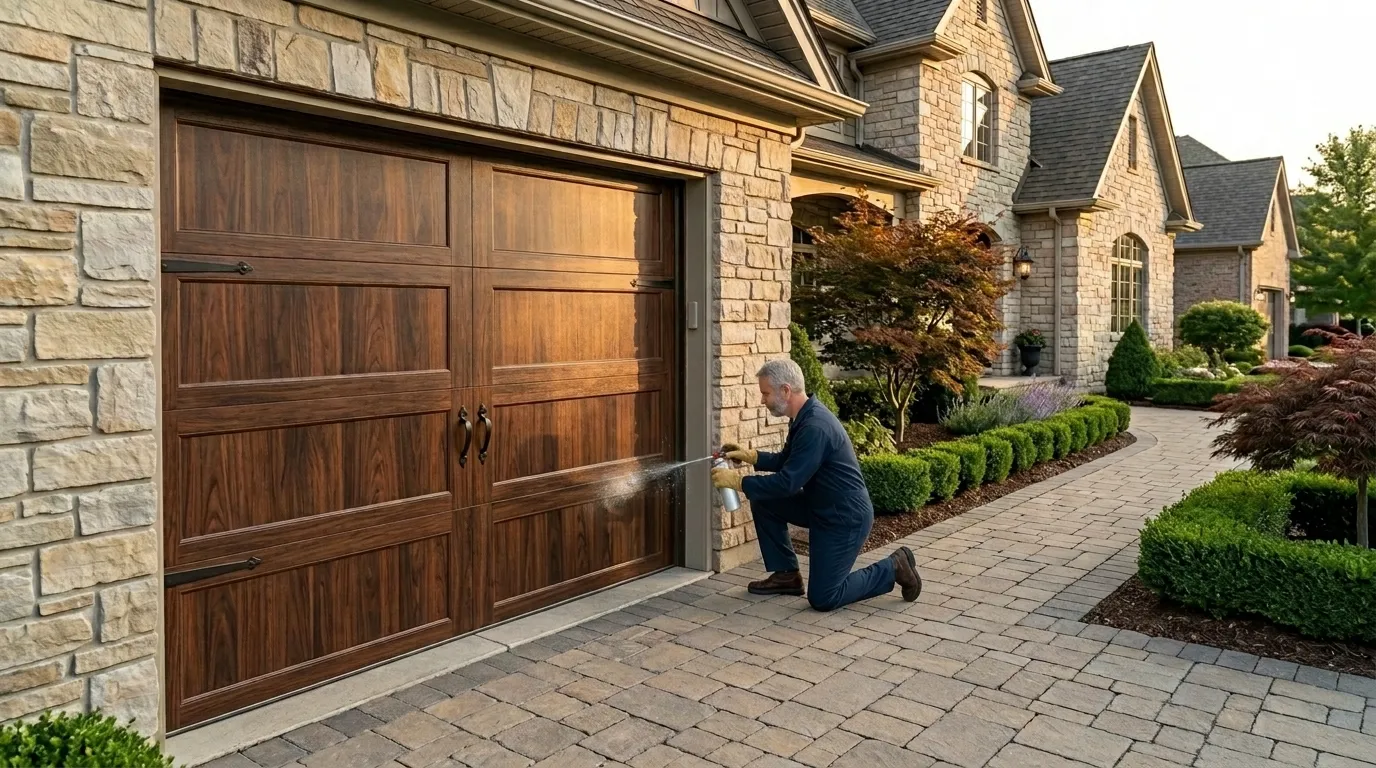
Housing across the valley - Canyon Country, Saugus, Valencia, Newhall, the older pockets of Granada Hills North further south - mostly went up between 1956 and 1999, with the heaviest concentration in the 1960s and 70s. That matters for openers because the unit hanging over your car today is rarely the original. It's usually the second or third replacement, and each swap brought different mounting hardware, different rail lengths, and sometimes a logic board that was never quite matched to the original torsion spring setup underneath it.
When a power cut hits, what fails first isn't the motor - it's whatever compromise got bolted in during the last replacement. Santa Clarita sits in a moderate-heat band, not an extreme one, but garages here still run hotter than the house year-round because most were built without insulation in the door or attic space above the opener rail. Circuit boards and capacitors in openers don't like sustained heat soak, and a unit from a 1970s-era house that's had two or three opener generations pass through it is more likely to have a board already stressed before the outage ever happens.
The power cut doesn't create the failure. It just exposes a board that was already running hot and already tired. That's the local pattern worth understanding before you assume the outage broke something new.
The Cost of This Job
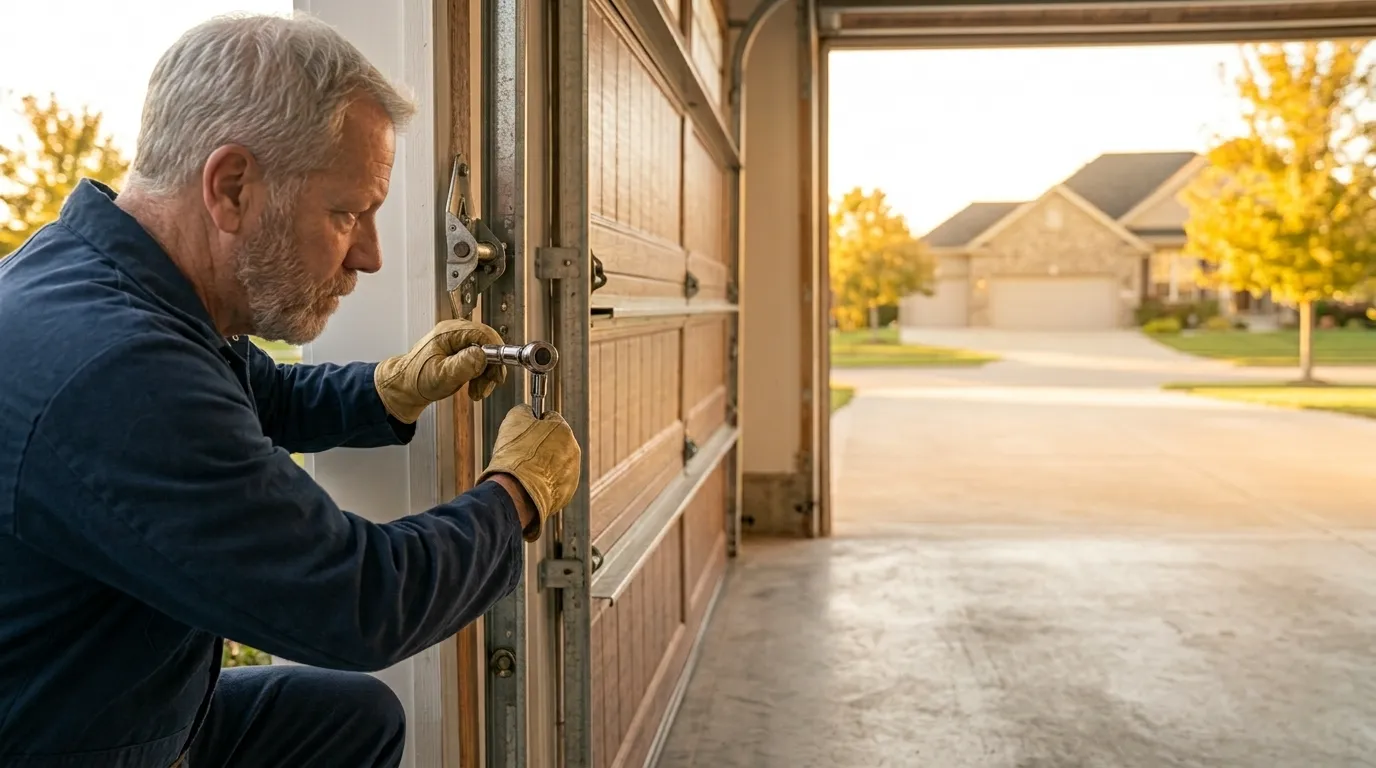
I'm not going to give you a number here, because what drives the cost on this job is entirely about what's already installed, and that varies house to house even on the same street. A chain-drive unit from the 1980s costs less to service than a newer belt-drive with a smart module, but it also has fewer safety features and no battery backup, which means a power cut leaves it dead with the door wherever it stopped. Adding backup to an old opener sometimes costs more than it's worth once you account for the age of the rail and the wiring behind it.
The honest driver of price is whether we're repairing what's there or replacing the whole head unit, and that decision usually gets made standing in the garage, not over the phone. Houses built in that 1956-1999 window often have openers mounted to framing that predates today's standard bracket spacing, so a straight swap isn't always straight. I'd rather tell you that up front than quote a number that assumes your garage matches the newest house on the block, because in this valley it usually doesn't.
When Waiting Is Fine
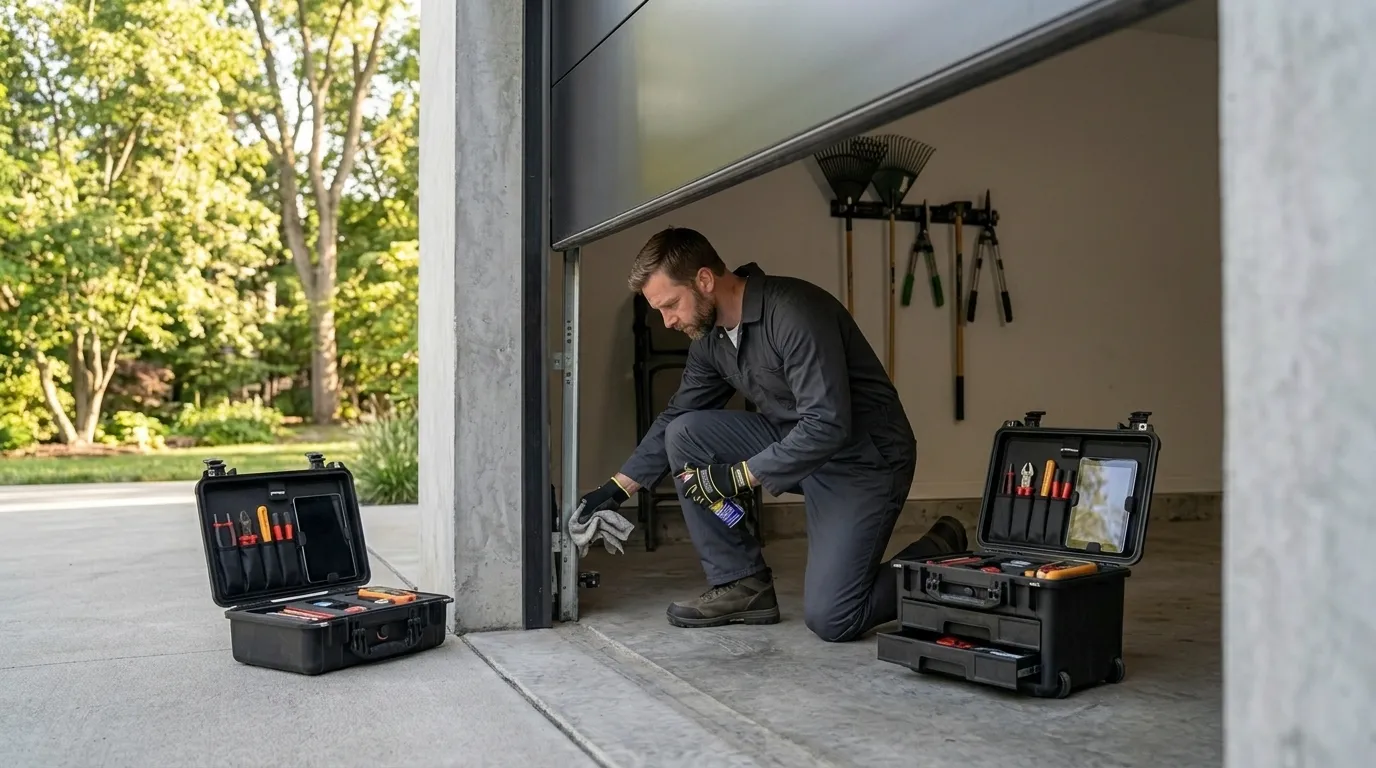
If a power cut knocks your opener out and the door was already down when the power went, you can wait. Pull the manual release cord - most homes from the 1960s-70s stock still have the emergency release cord because that was standard hardware even before the newer safety codes required it - and use the door by hand until power's back. That's not a repair, that's just the door working the way it was built to before openers were common on these tracts.
Waiting is also fine if the opener runs but the lights don't sync back up after an outage, or if the remote needs re-pairing. None of that is urgent and none of it damages the door. What isn't fine to wait on is a door that won't release manually, or one where the outage happened mid-cycle and the door is caught on the track.
Older torsion setups common in this housing era don't forgive being forced, and trying to muscle a stuck door yourself is how a cable jumps the drum.
The Problem
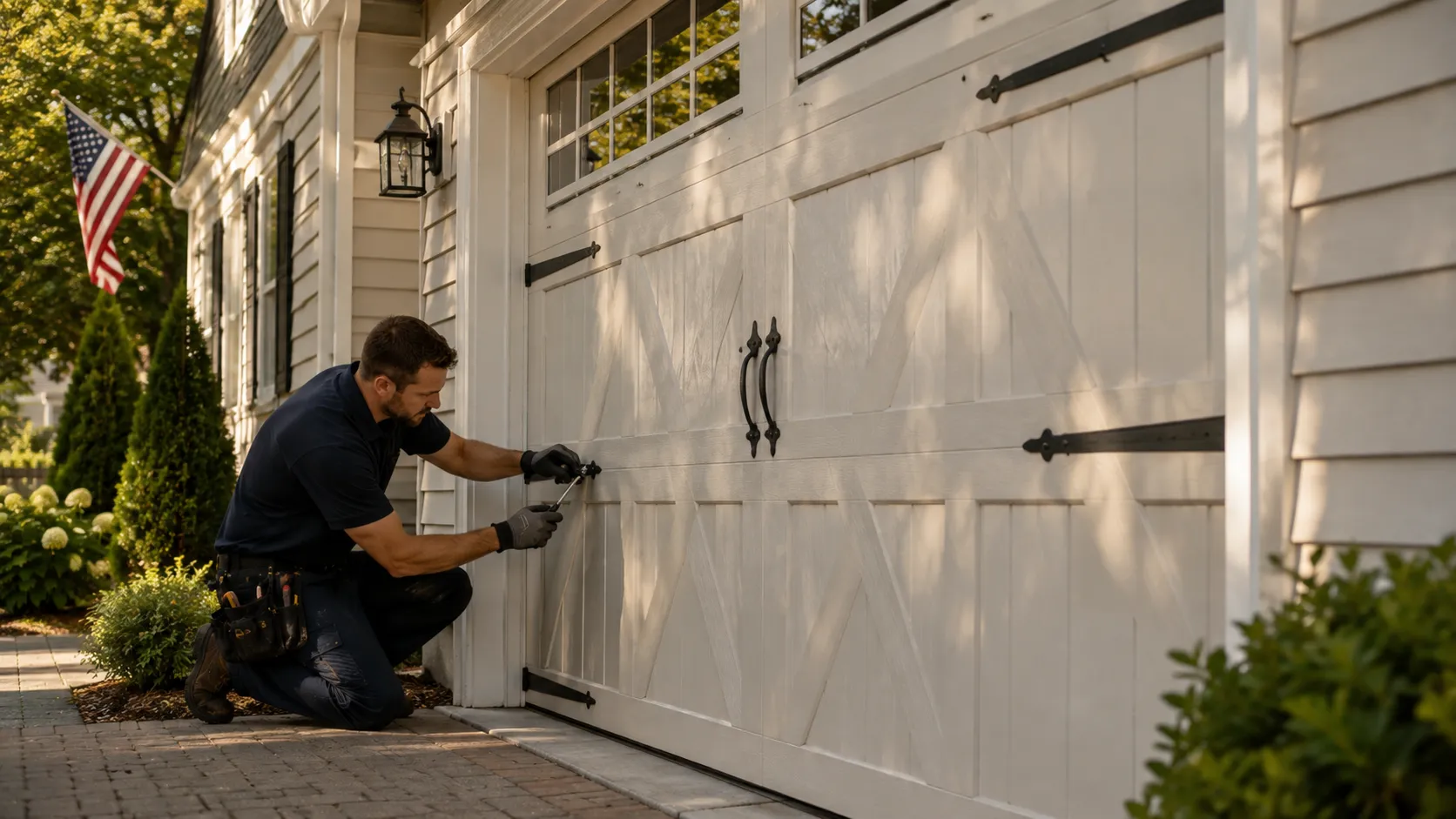
The recurring issue in this valley isn't the power cut itself - it's what a decades-old opener does when power comes back. A logic board that's been heat-soaked for years in an uninsulated garage doesn't always reboot cleanly. Sometimes it forgets travel limits, sometimes the safety sensors lose alignment because the bracket they're mounted on has warped slightly over forty-plus years of thermal cycling.
On a house from the 1975 median build year, that's not a hypothetical, that's just what happens to plastic and metal brackets left in a hot garage for that long. We don't stock boards for every discontinued opener model that was ever installed across this valley's older tracts, and that's worth saying plainly - some of the units from the 1960s and 70s are old enough that the manufacturer doesn't make the part anymore, and replacement of the head unit ends up being the real fix, not a repair.
How We Can Help
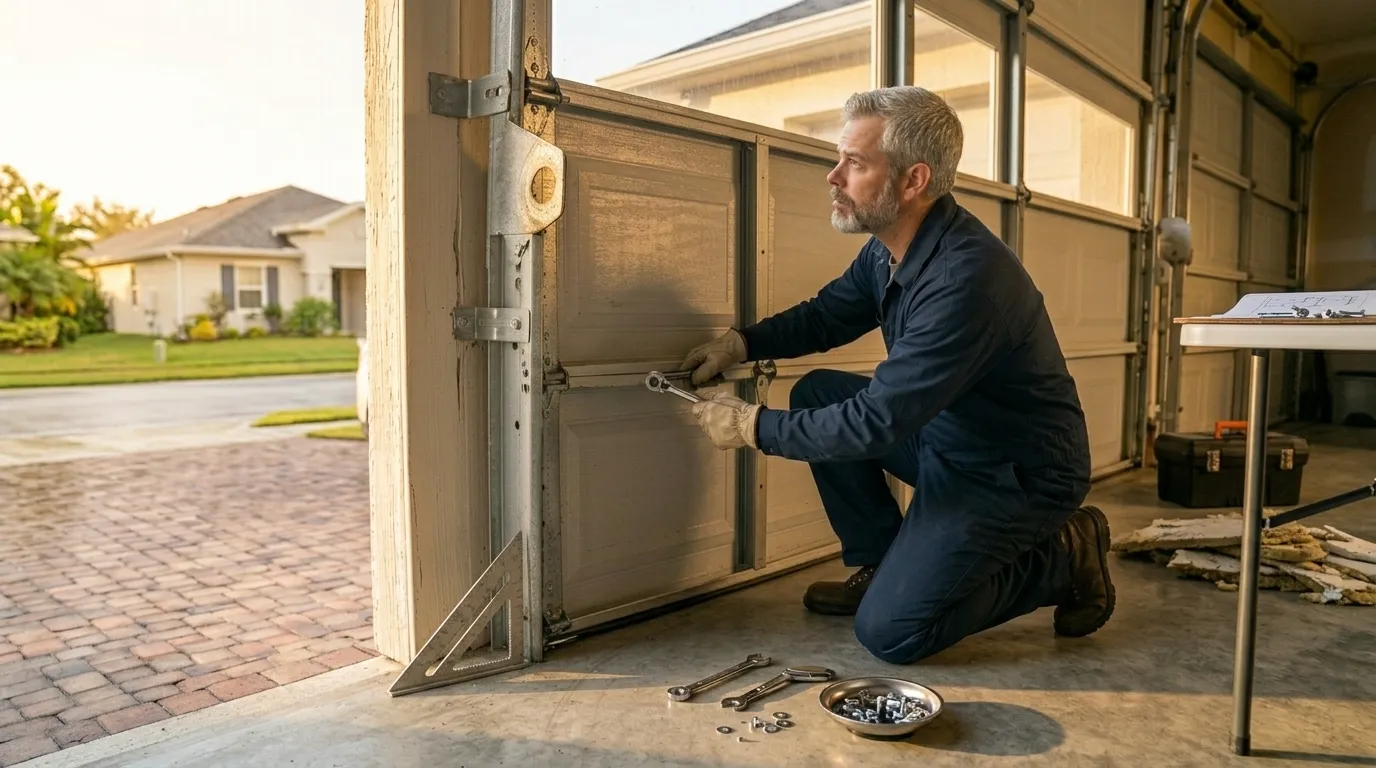
Garage Door Repair
Springs, cables, tracks, rollers, and openers fixed by a tech who explains the problem before touching anything.
Learn more →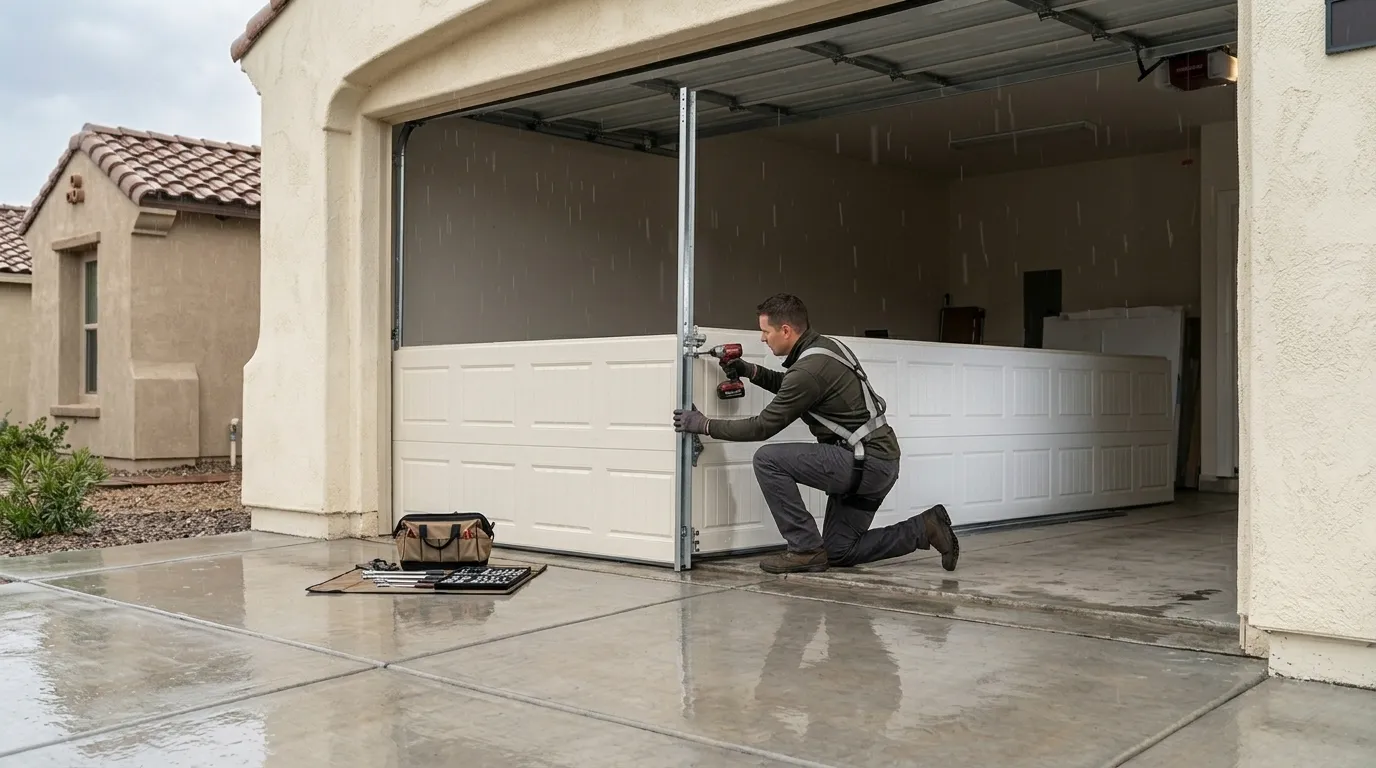
Garage Door Installation
New sectional doors sized and installed for the housing stock actually built in this area.
Learn more →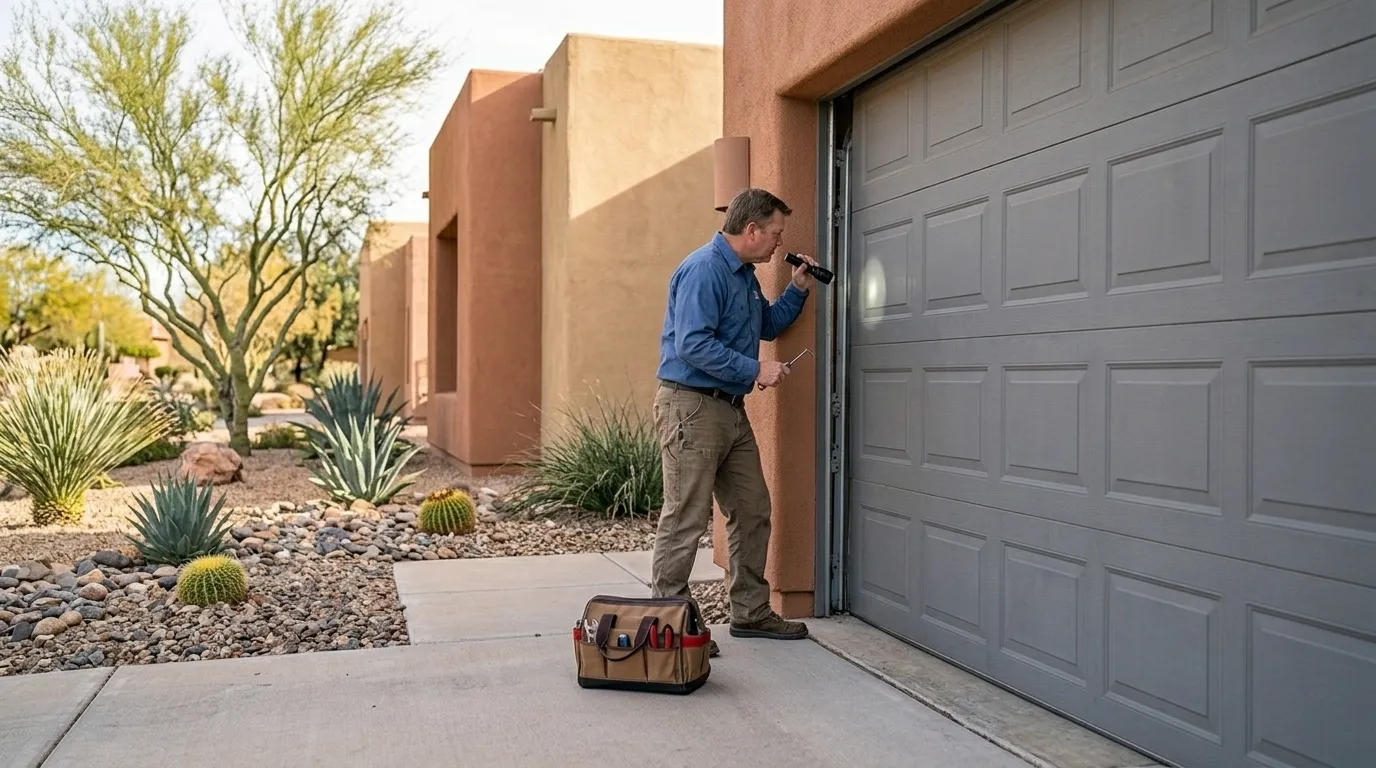
Garage Door Service
Tune-ups, lubrication, and safety checks that catch a small problem before it becomes a service call.
Learn more →Frequently Asked Questions
Does a power outage damage my garage door opener?
Not usually the outage itself, but it can expose a board that was already struggling. Openers in Santa Clarita's older housing stock - much of it from the 1960s and 70s - sit in garages that run hot most of the year, and heat-soaked boards are more likely to lose settings or fail to reboot cleanly once power comes back.
How do I open the garage door during a power cut?
Pull the manual release cord, usually a red handle hanging from the rail near the opener. Most houses in this valley built before the newer safety codes still have this as standard hardware, so you can lift the door by hand until power returns.
Should I add battery backup to an old opener?
It depends on the unit. Adding backup to a chain-drive opener from the 1970s or 80s sometimes costs more than it's worth given the age of the rail and wiring. We look at what's already installed before recommending it rather than assuming every garage needs the same upgrade.
Why did my opener forget its settings after the power came back?
Older logic boards, especially ones that have been running in an uninsulated garage for years, don't always retain travel limits or sensor alignment through a hard power cycle. This shows up more often in houses from the valley's 1960s-70s building era than in newer construction.
Have a Door That Needs a Second Opinion?
Call and describe what it is doing - we will tell you what it likely is.