
Santa Clarita Neighborhood
Granada Door Work for Granada Hills South Homes
Granada Hills South sits 10 miles south of our shop. We work on the 1960s-70s torsion and opener setups common to this stretch of the service area.
- Licensed & Insured
- Same-Area Service Calls
- Upfront Pricing
Where This Is
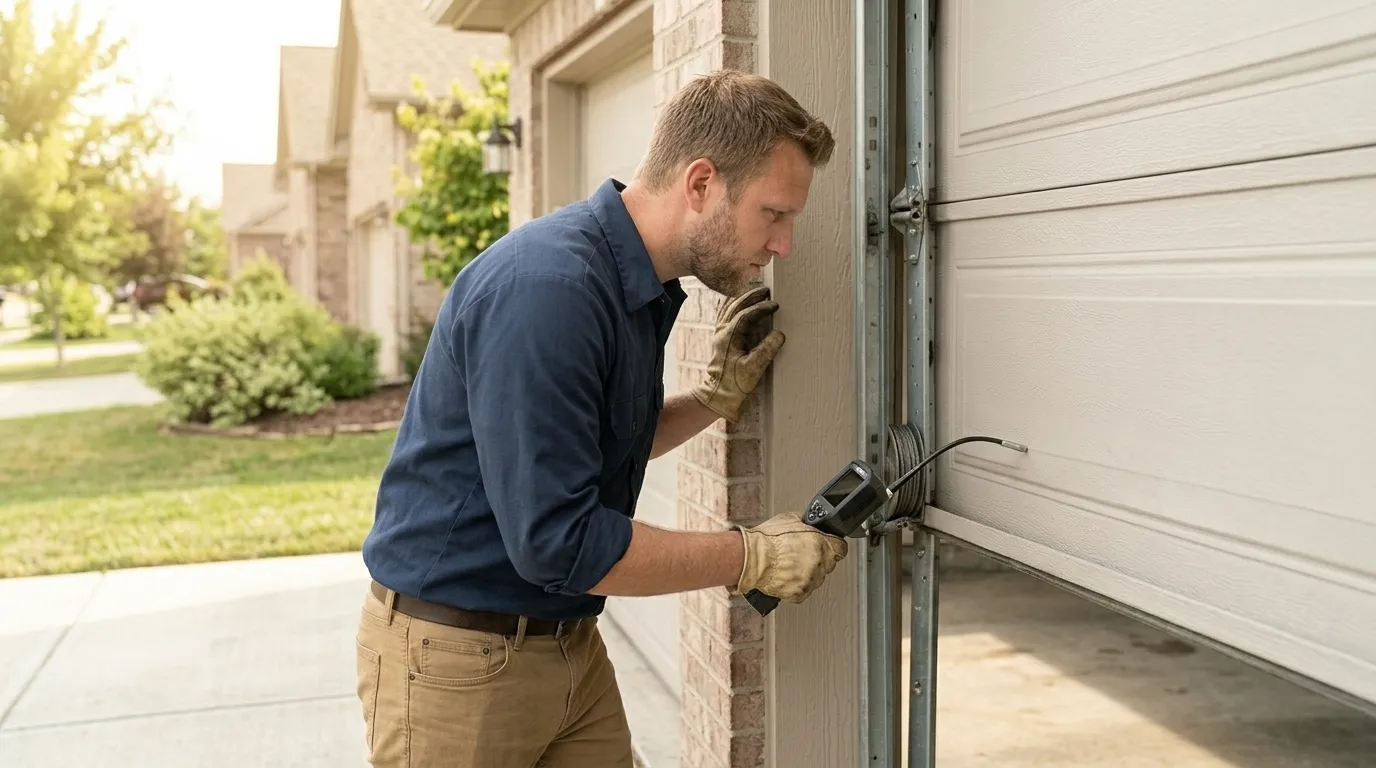
Granada Hills South sits about 10 miles south of our base, one of the farther stops on our regular route through the service area. It's grouped with Granada Hills and Granada Hills North in the same general pocket south of the 5, and it falls inside the wider footprint we cover that runs from Stevenson Ranch and Castaic down through Sylmar and Porter Ranch.
We don't have street names or landmarks for this specific neighborhood on file, so we're not going to pretend otherwise or invent a cross street to sound local. What we do know is the housing stock pattern for this part of the service area, and that's enough to tell you what kind of door and hardware you're probably dealing with.
Across the service area as a whole, the housing base runs from 1956 to 1999 with a median around 1975, and most of the stock in the named areas - Granada Hills South included - dates to the 1960s and 70s. That single fact does more to predict your repair than any landmark would. Houses built in that window came with a specific generation of garage door and opener hardware, and a lot of it is still out there, original or close to it.
Typical Work
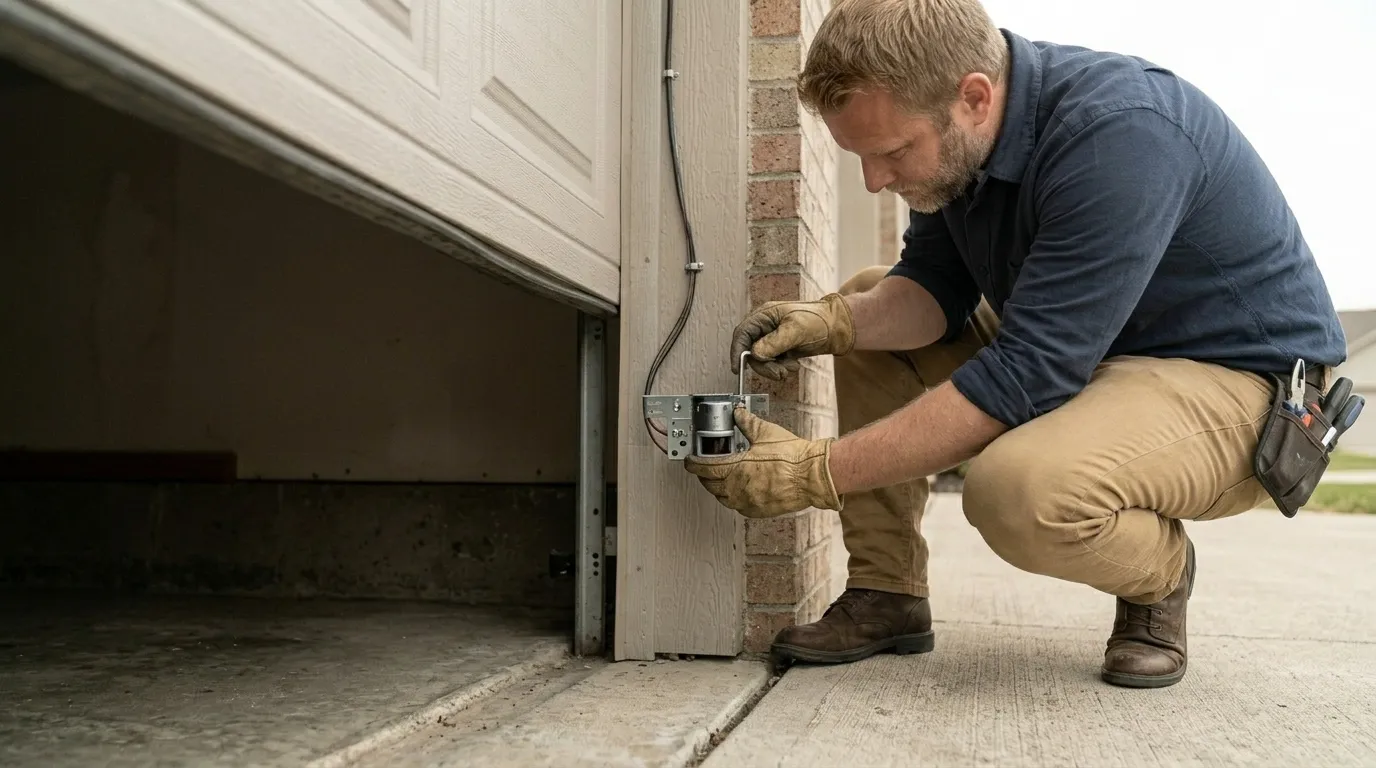
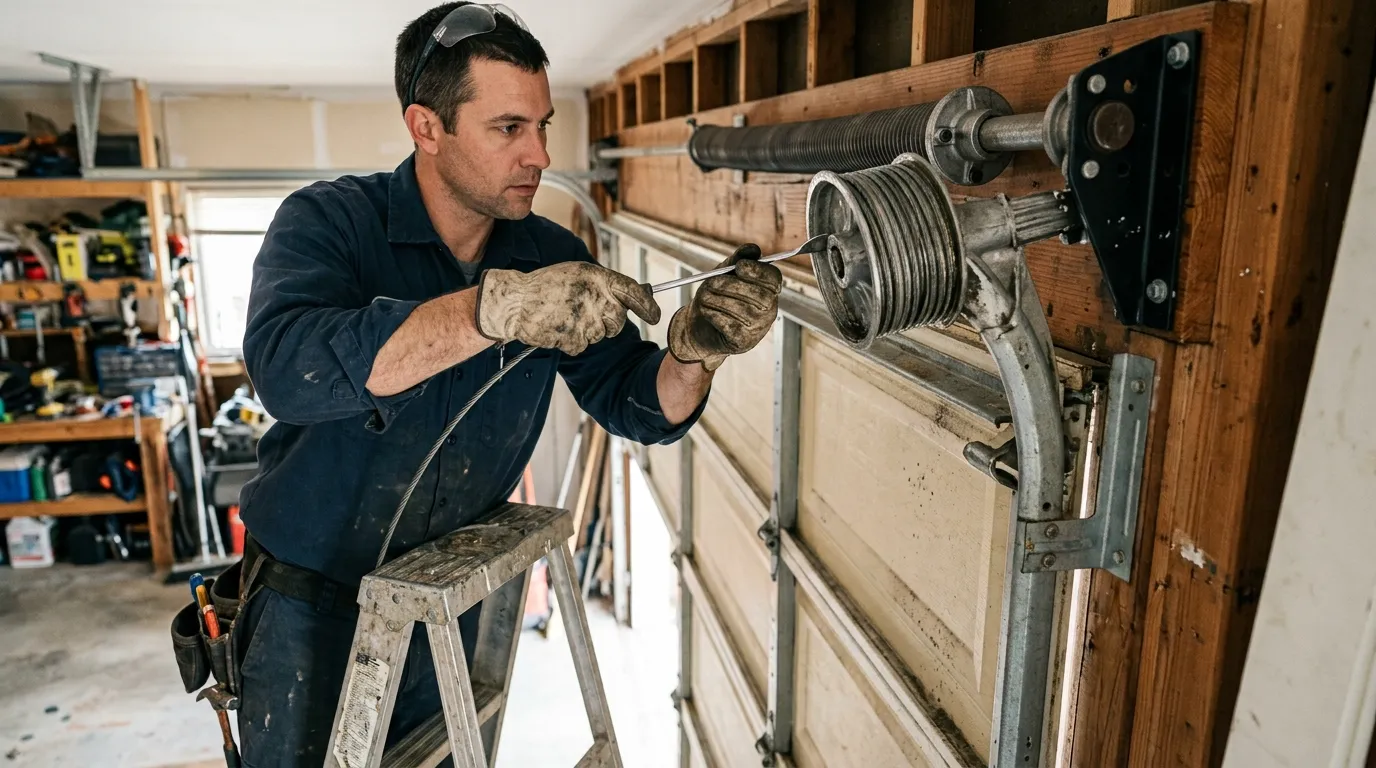
A door installed in a 1965 or 1972 build has had five decades to wear through springs, cables, and rollers, sometimes more than once if a prior owner replaced parts with whatever was on hand at the time. The calls we get from houses of this age usually break down the same way: a torsion spring that's finally given out after years of daily cycles, a cable that's frayed at the drum, or an opener that's been swapped once already and is now on its second or third motor.
We also see a fair number of track and roller jobs - steel rollers from that era were noisier and wore faster than what's sold today, and homeowners in this income bracket (median household income here runs $119,775) tend to replace rather than keep patching once a door starts binding or slamming on the last foot of travel. We won't tell you a repair is needed if replacement makes more financial sense; on a door already flagged for two or three prior fixes, we'll say so plainly, even if that costs us the smaller job.
One honest limit: without a specific address or a look at the door, we can't tell you in advance whether your spring size or opener model is a common stock item or a special-order part. Some older gauge springs and discontinued opener boards take longer to source than a same-week appointment allows.
What Is on These Garages
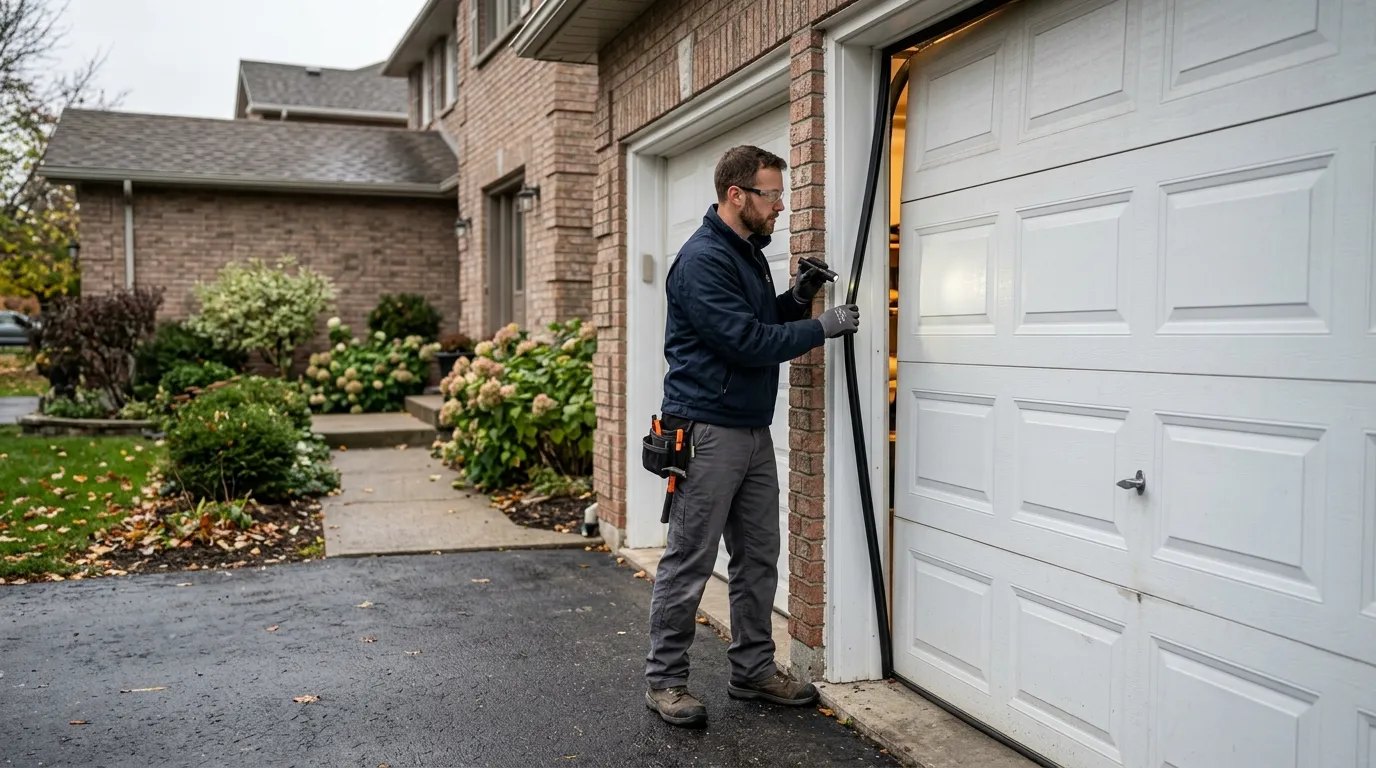
Given the 1960s-70s build era that covers most of this pocket of the service area, expect a steel sectional door, likely non-insulated or lightly insulated, hung on a torsion spring system mounted on a header bracket above the opening. That's standard for houses from that period before insulated doors and dual-spring setups became common upgrades.
The service area sits in a moderate heat climate band, which matters less for the door skin itself and more for the opener's electronics and the lubricant on the moving hardware - heat cycling breaks down old grease and dries out seals faster than in a cooler climate, which is part of why openers from this era of house tend to need belt or gear replacement before the drive itself quits. If your door still runs on its original chain-drive opener, that's consistent with the build window for this neighborhood, and it's usually the first thing worth checking when a door starts running rough or loud.
How We Can Help
Garage Door Repair
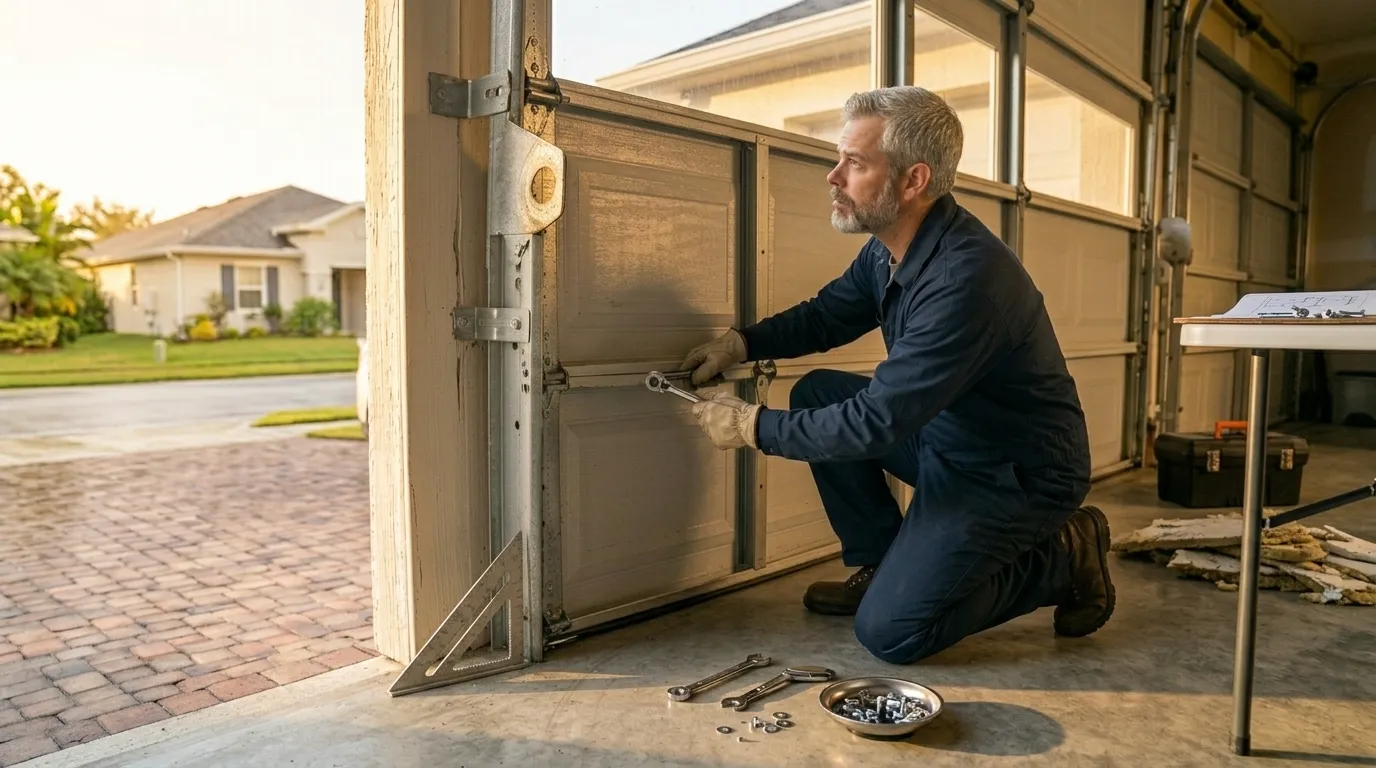
Springs, cables, tracks, rollers, and openers fixed by a tech who explains the problem before touching anything.
Learn more →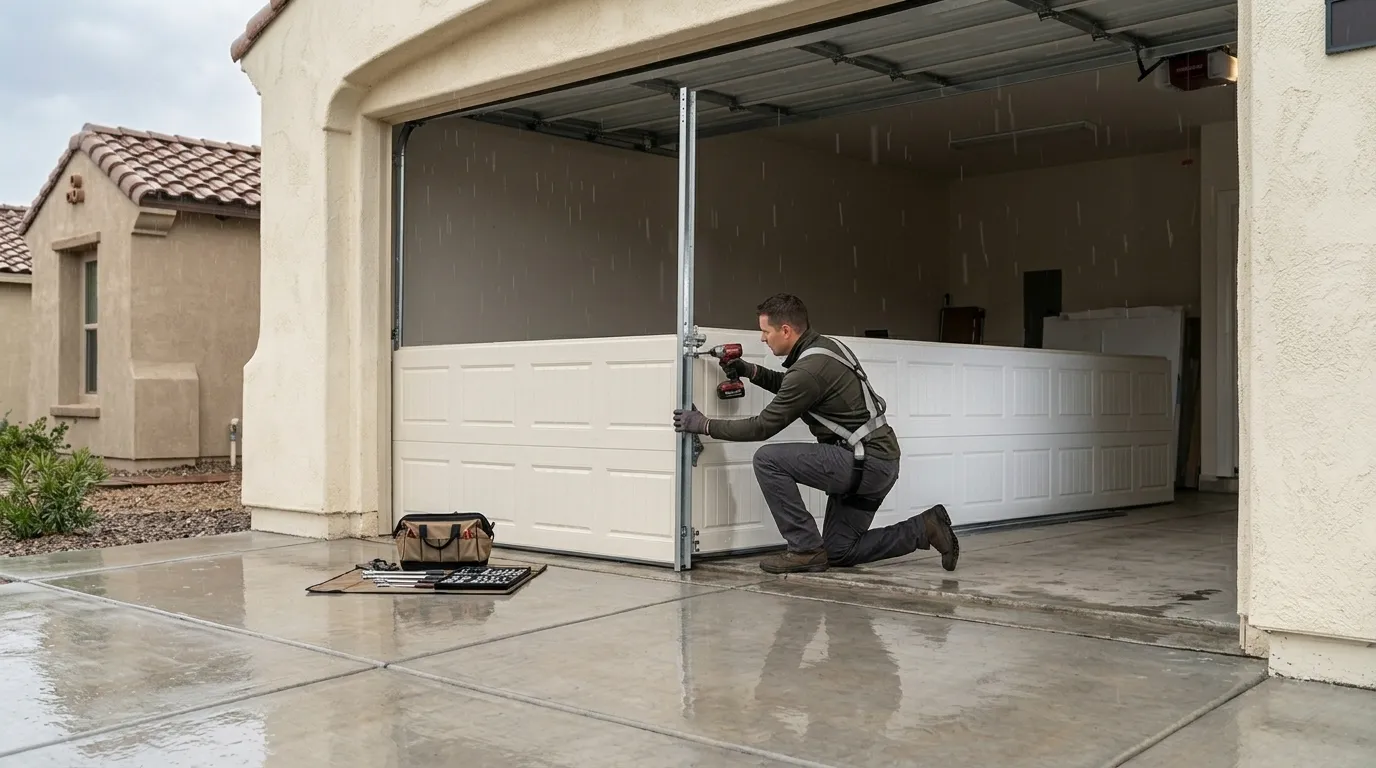
Garage Door Installation
New sectional doors sized and installed for the housing stock actually built in this area.
Learn more →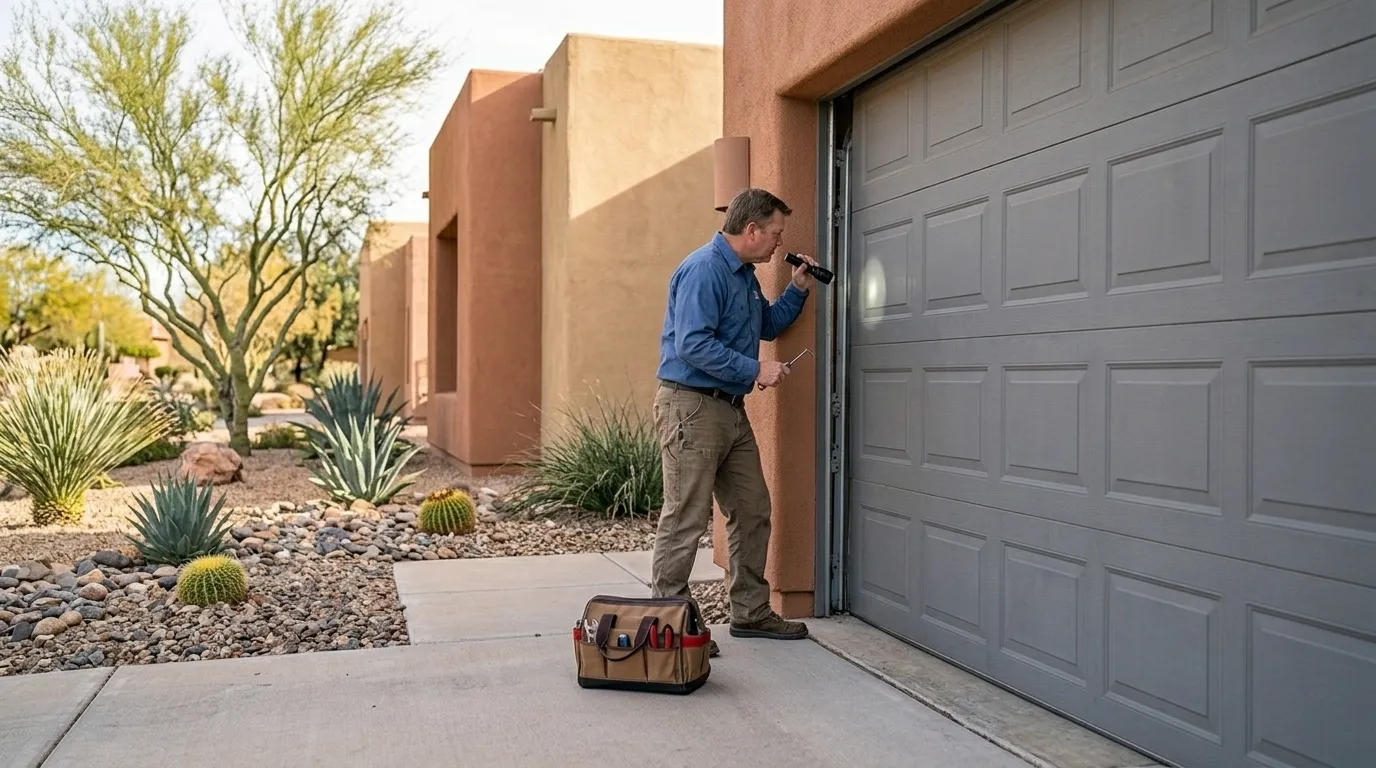
Garage Door Service
Tune-ups, lubrication, and safety checks that catch a small problem before it becomes a service call.
Learn more →What Happens When You Call
-
1
Call or Request a Quote
Tell us what the door is doing and roughly how old the house is - that alone points us toward the likely part before a truck leaves.
-
2
On-Site Diagnosis
A tech checks the spring, cables, tracks, and opener in person and tells you plainly what is actually wrong.
-
3
Straight Price, No Surprises
You get a number before any work starts. It covers parts and labor, nothing added after the fact.
-
4
Fixed the Same Visit
Most repairs are done in one trip. If a part needs sourcing, we tell you that upfront instead of guessing.
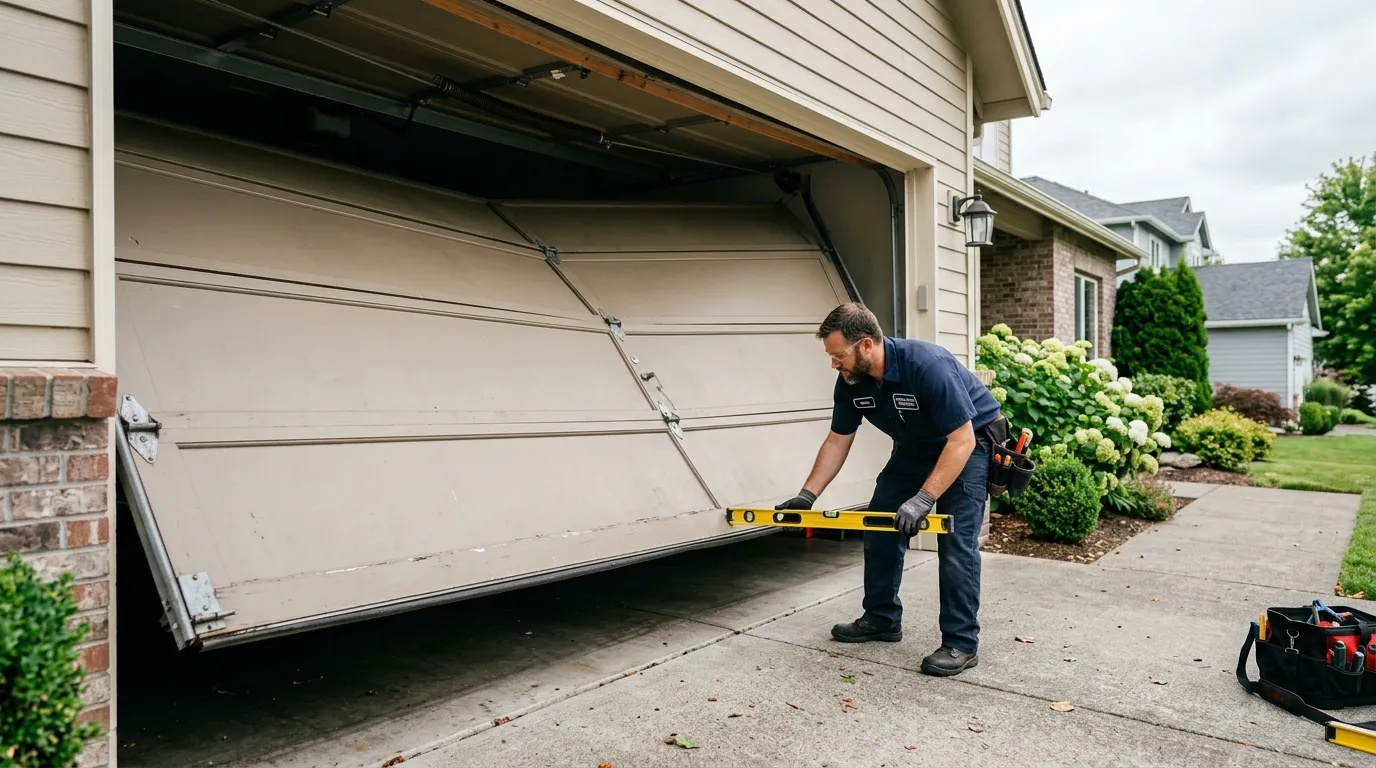
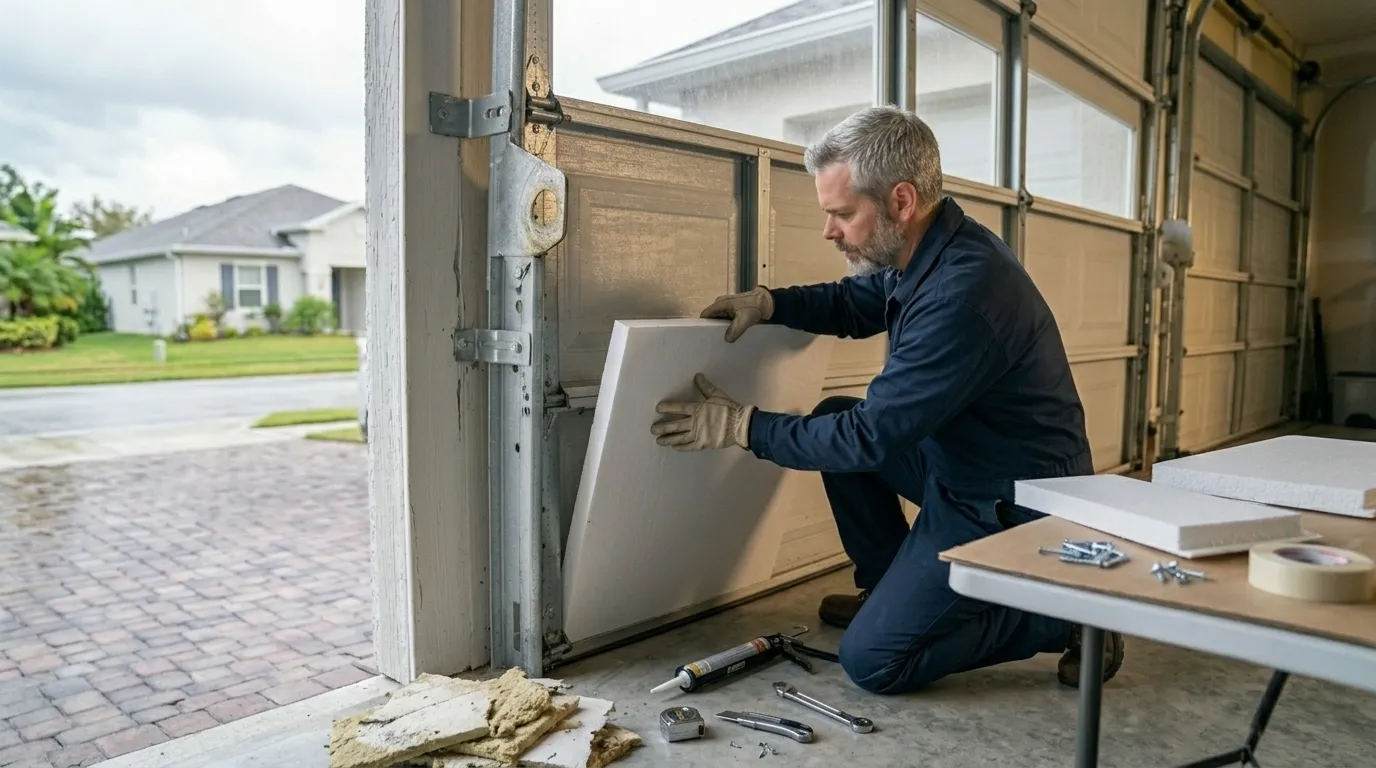
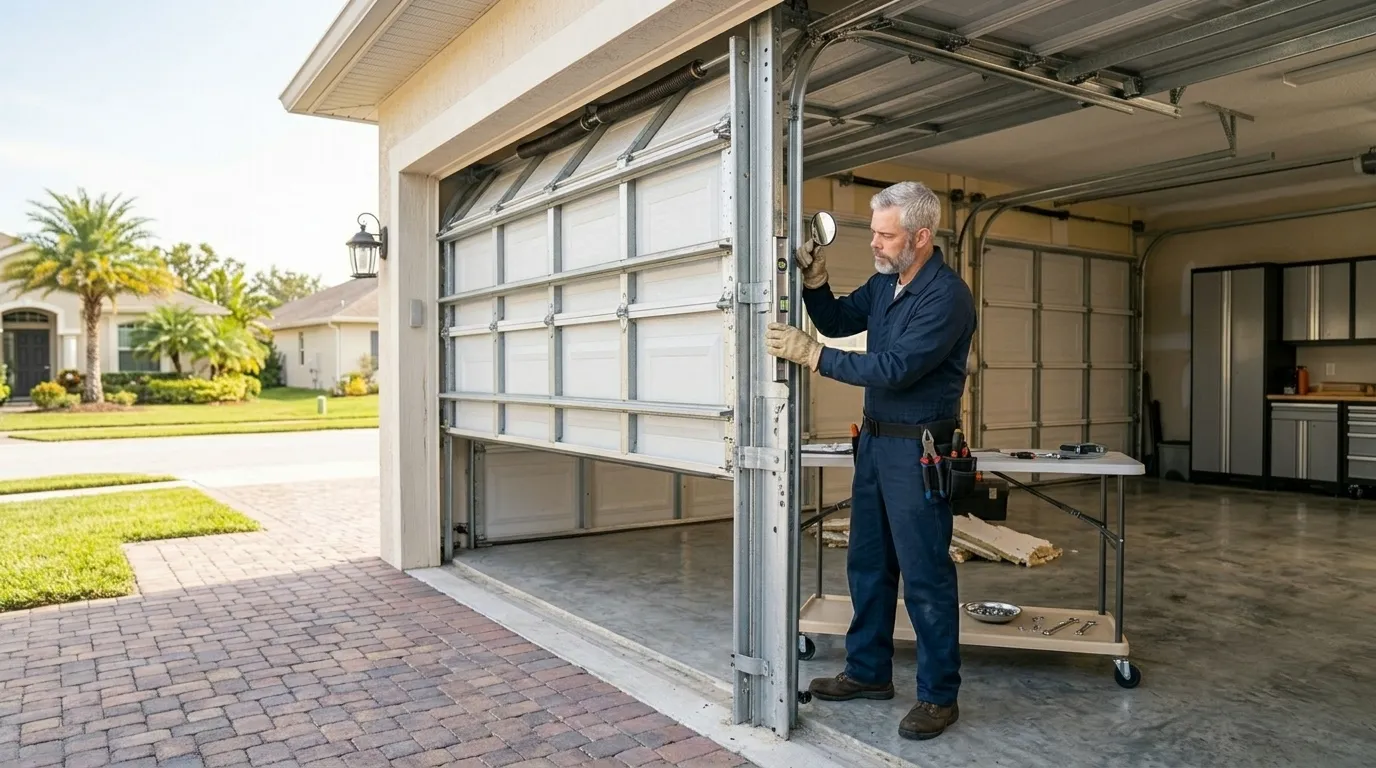
Recent Work Near Granada Hills South
Frequently Asked Questions
How old is a typical garage door in Granada Hills South?
We don't have a landmark-level record for this exact neighborhood, but it falls inside the part of the service area built mostly in the 1960s and 70s, with the wider housing base running 1956 to 1999. A door from that build window is usually original or a first replacement, both due for a look.
Do you know my street or subdivision here?
No, and we won't pretend to. We don't have street or landmark data for Granada Hills South specifically, so we're not going to name a road we've never confirmed. We do know the housing era for this part of the service area, which tells us more about your door than a street name would.
Is it worth repairing an original 1970s door instead of replacing it?
Depends on what's failed. A spring or cable swap on an otherwise sound door is usually the cheaper call. If the door's already had two or three repairs, or the panels are dented and warped, replacement often costs less over time than another patch job.
Get Your Door Fixed in Granada Hills South
Call now for same-area service.